If you are trying to picture everyday life with more space, easier routines, and more reasons to stay close to home, North Center deserves a serious look. For many growing households, the right neighborhood is not just about one standout feature. It is about how housing, parks, local events, shops, and transit all work together week after week. In North Center, that mix is a big part of the appeal. Let’s dive in.
North Center balances city life and routine
North Center is about five miles north of the Loop, and its story is shaped by Chicago history. The neighborhood grew through North Branch industrialization, brickyards, and street-railway expansion, which helped create the layered streetscape you still see today.
That history matters because it helps explain why North Center feels established rather than manufactured. You get a city address with neighborhood-scale rhythms, where daily life can feel manageable even as your household needs change.
Housing options fit different stages
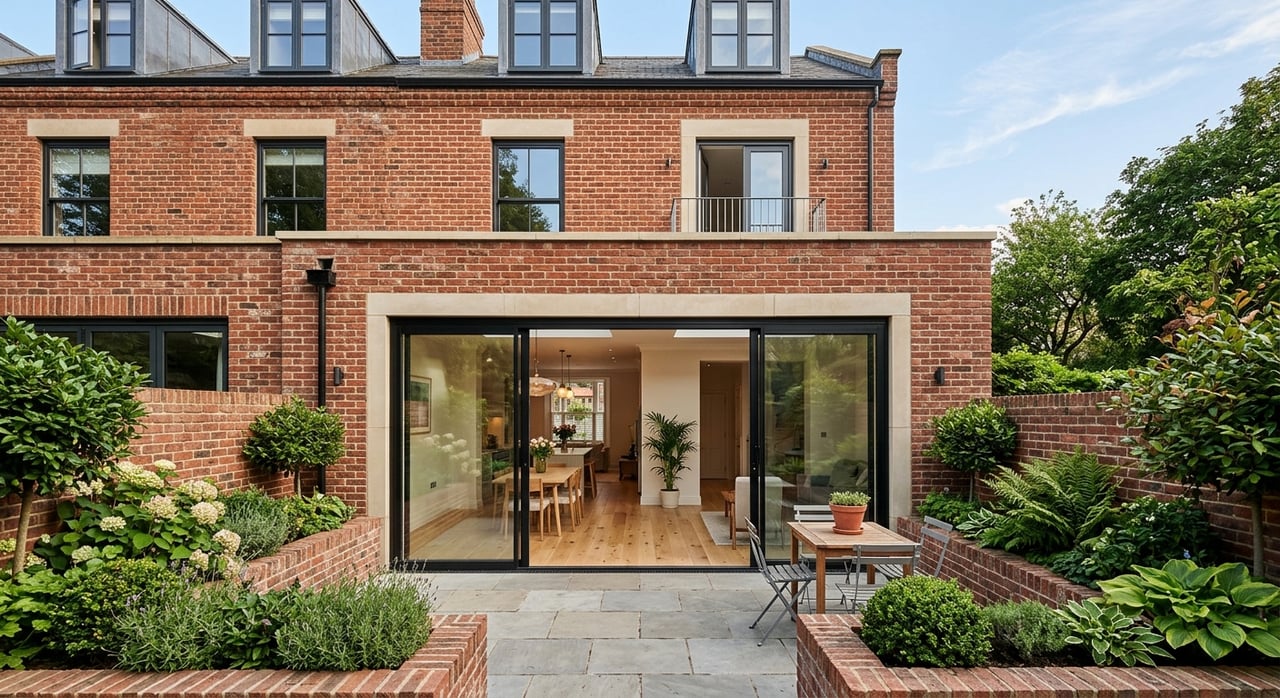
One reason North Center works for growing families is that the housing stock is not one-note. Instead of a neighborhood built around a single home type, it includes a range of classic Chicago forms that can support different budgets, layouts, and life stages.
Bungalows offer practical space
Chicago bungalows were designed as a middle ground between suburban space and urban density. The Chicago Architecture Center notes that they were built for standard city lots and included modern conveniences and durable construction.
For buyers thinking long term, that kind of layout can be appealing. A bungalow often offers the sense of a traditional home while still keeping you connected to the city.
Two- and three-flats add flexibility
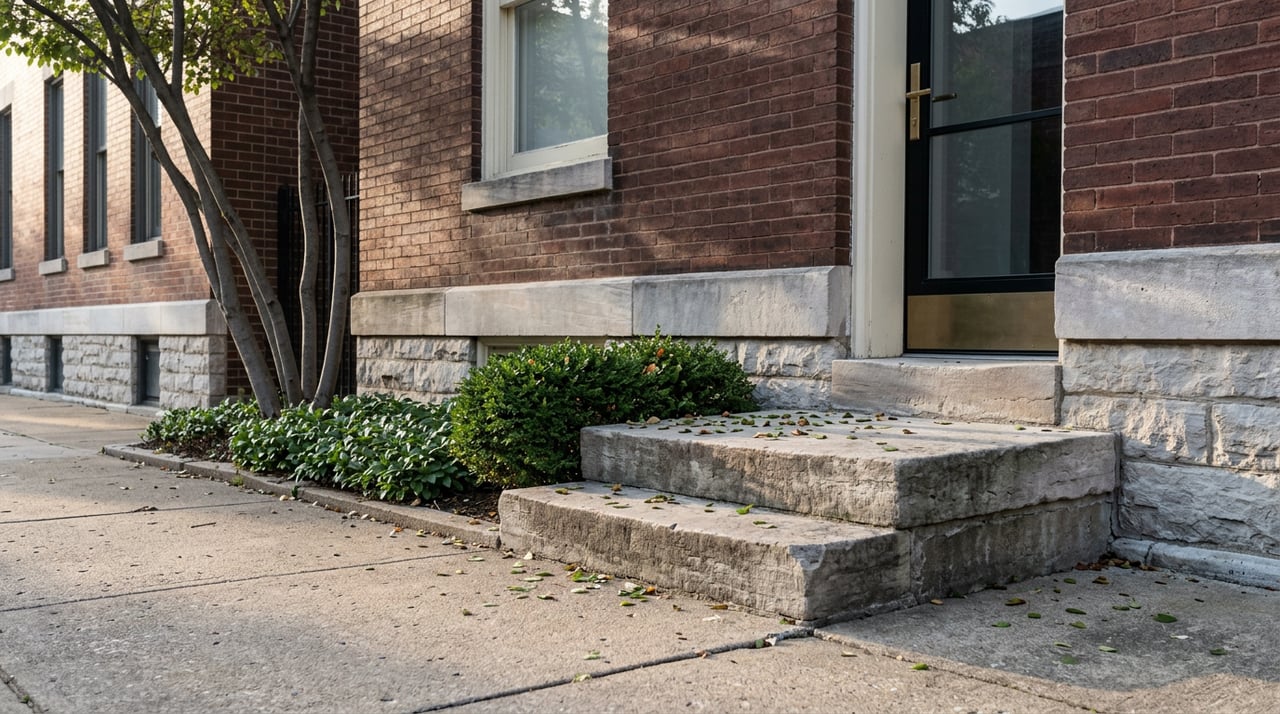
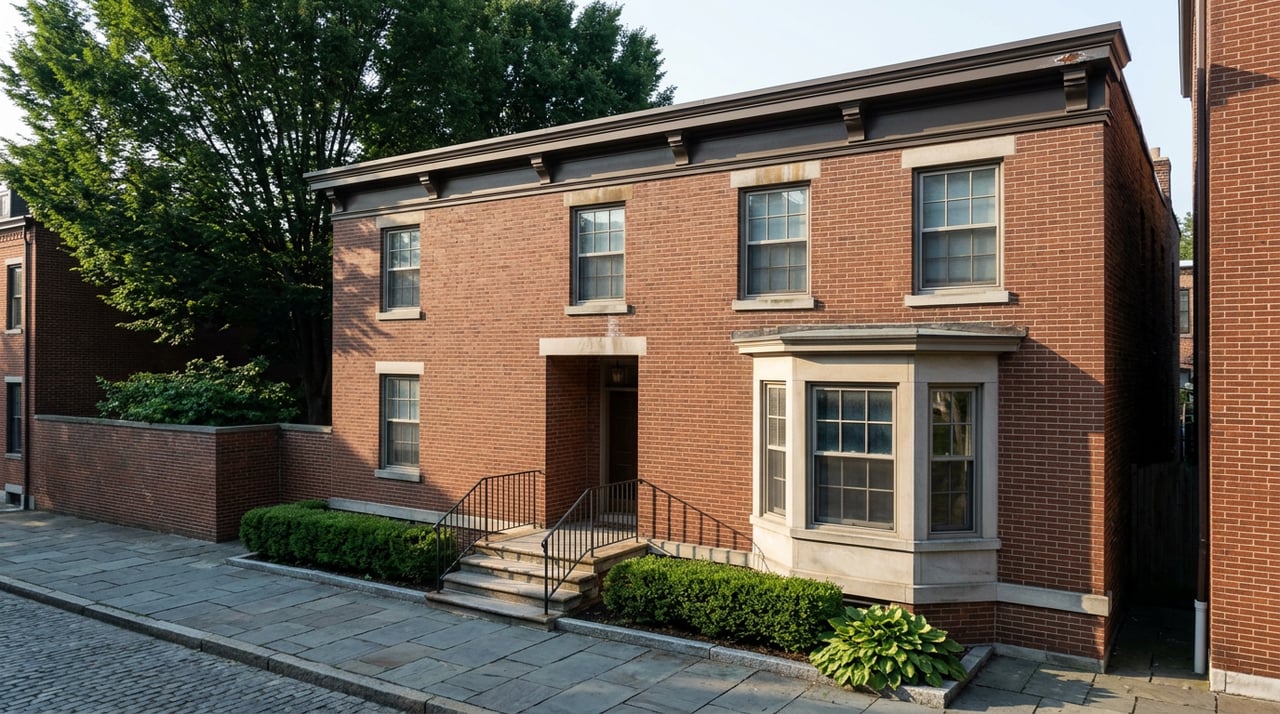
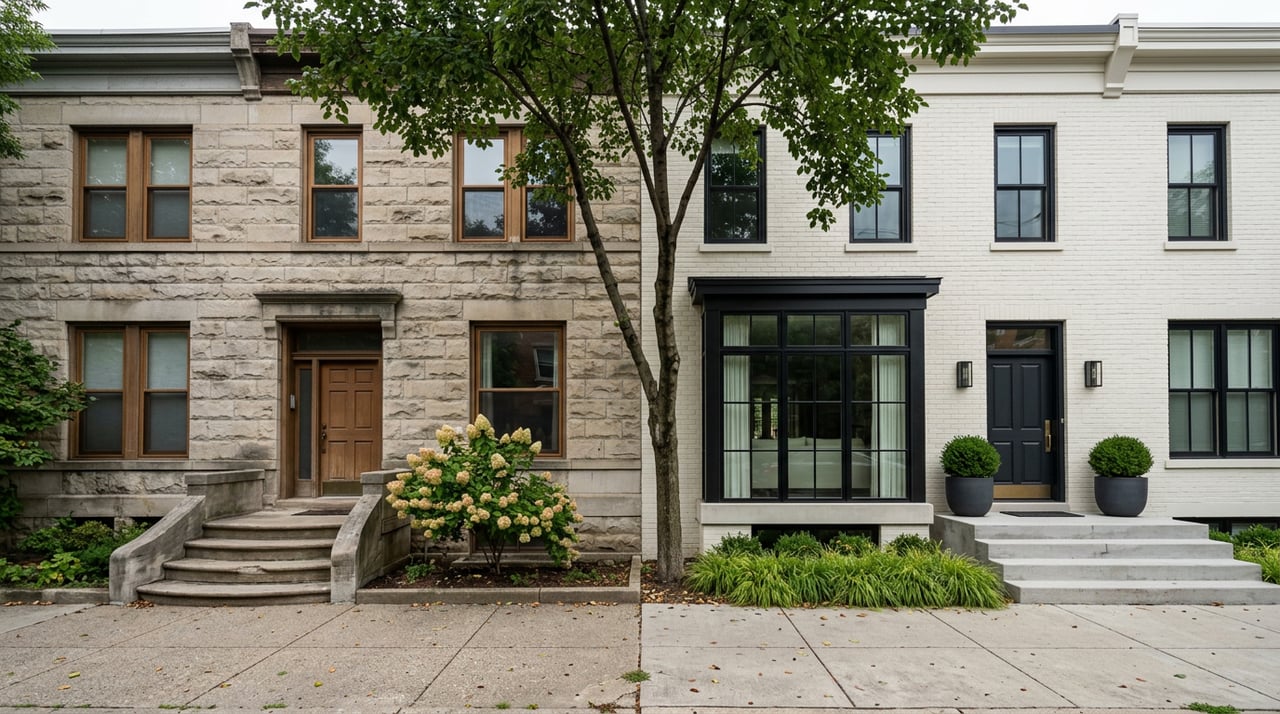
North Center also reflects another core Chicago housing type: the two-flat and three-flat. These buildings are typically two or three stories with brick or greystone facades, bay windows, and side porches, and they make up about a quarter of Chicago housing according to the Chicago Architecture Center.
That variety matters when your needs are evolving. Some buyers want more room, some want an owner-occupied multi-unit setup, and some want a familiar Chicago layout that feels flexible over time.
Missing-middle housing widens your choices
The broader Chicago housing mix also includes greystones, courtyard buildings, rowhouses, and six-flats. This kind of “missing-middle” housing helps explain why North Center can appeal to a wide range of household sizes and living arrangements.
In practical terms, that can mean more than one path into the neighborhood. As of April 2026, Realtor.com listed 96 homes for sale and 118 rentals in North Center, with a median listing price of $739,000 and median days on market of 23.
Parks support everyday family life
For many households, parks are not a bonus. They are part of the weekly routine. North Center stands out because it offers everything from small playground stops to larger recreation spaces with sports, trails, and programs.
Pocket parks make quick outings easy
Fellger Park, at Belmont and Damen, is a 0.77-acre playground with a soft-surface play area and shaded picnic space. That kind of setup can be ideal when you need a simple outdoor break without planning a big outing.
Zatterberg Park is even smaller at 0.22 acres, but it also includes a soft-surface playground. The Chicago Park District notes that nearby Chase Park offers additional structured programming, which adds another option close by.
Larger parks create room to grow
Hamlin Park spans 9.08 acres and includes a fieldhouse, pool, playground, baseball fields, basketball, tennis, and sports programming. The Park District also describes it as a site for youth leagues and a dog-friendly area.
Revere Park covers 9.49 acres along Irving Park Road and includes an ADA-accessible playground, youth programs for ages 5 and under, and updated tennis and pickleball courts from a 2025 Park District project. When your schedule includes different ages, interests, and activity levels, that range can make planning easier.
Clark Park expands recreation options
Clark Park is the largest recreation asset in this group at 22.42 acres along the Chicago River. It includes a bike trail, soccer fields, the WMS Boathouse, learn-to-row programs, and canoe and kayak rentals.
That gives North Center an outdoor option that feels bigger than a neighborhood playground. It creates more ways to spend time outside without leaving the area.
Community events help you feel connected
A neighborhood often starts to feel like home when it gives you reasons to participate, not just pass through. North Center has a strong pattern of recurring events and public gathering spaces that help create that sense of rhythm.
The Northcenter Chamber says it runs programs focused on commerce, connection, community, and philanthropy. It also maintains a free seasonal calendar, creates public plazas like Town Square, and hosts Ribfest Chicago, which it says has drawn about 50,000 guests annually for more than 20 years.
The farmers market adds weekly energy
The Northcenter Farmers Market is one of the oldest on the North Side. It runs at Northcenter Town Square and features farmers, local merchants, produce, flowers, pastries, and handmade goods.
The market also accepts SNAP/Link and offers Link Match vouchers. Beyond shopping, it regularly includes live entertainment and vendor activity, which helps turn a simple errand into something more social.
Seasonal events keep routines local
Other recurring events include the Summer Concert Series and Halloween Trick-or-Treat. These kinds of neighborhood traditions can make it easier to build routines close to home instead of constantly traveling elsewhere for activities.
The Chamber also serves as the provider for SSA #38, handling services like landscaping, litter abatement, and sidewalk snow removal. Those details may not be flashy, but they support day-to-day livability in a very real way.
Shops, dining, and transit simplify logistics
When people talk about family-friendly neighborhoods, they often focus on homes and parks. But daily convenience matters just as much. North Center benefits from a local mix of shops, dining, and transit that helps keep the neighborhood usable.
Choose Chicago describes North Center as a place for old-school Chicago and local hangouts, with eclectic shops along Lincoln Avenue, casual venues, gastropubs, international eateries, a vintage bowling alley, and storefront theatre. That kind of mix can make ordinary plans feel easier and more enjoyable.
Brown Line access supports commuting
CTA’s Brown Line runs daily from Kimball to downtown. CTA also lists accessible stations on the Brown Line that include Montrose, Irving Park, Addison, Paulina, and Southport.
For many households, rail access shapes how sustainable a neighborhood feels over time. Whether you are commuting, meeting friends, or heading out for an evening plan, it helps to have reliable stations woven into the area.
Convenience adds up over time
The practical value of North Center is not just one destination. It is the combined effect of local restaurants, errands, events, and train access that can reduce the need for long cross-town trips.
That is a big reason the neighborhood tends to work well for growing families. It supports the repeatable parts of life, not just the highlight reel.
Why North Center stands out
North Center works because it supports routine in a way that feels distinctly Chicago. You can see that in the historic housing mix, the range of parks, the steady community programming, and the commercial and transit network that helps daily life run more smoothly.
If you are looking for a neighborhood that offers both urban access and a strong local rhythm, North Center checks a lot of important boxes. And if you are weighing a move within Chicago, buying your first place here, or planning for your next chapter, that kind of consistency can matter just as much as square footage.
If you want help exploring North Center or comparing it with other North Side neighborhoods, Juliana & Ben Yeager can guide you with the kind of local, family-centered insight that makes your next move feel clearer.
FAQs
Why is North Center a good fit for growing families in Chicago?
- North Center offers a mix of housing types, multiple parks, recurring community events, local shopping and dining, and Brown Line access, which together can make everyday routines easier.
What types of homes can you find in North Center?
- North Center includes classic Chicago housing such as bungalows, two-flats, three-flats, greystones, courtyard buildings, rowhouses, and six-flats, which gives buyers and renters several types of options.
What parks are available in North Center for families?
- North Center includes smaller playground-focused parks like Fellger Park and Zatterberg Park, plus larger recreation spaces like Hamlin Park, Revere Park, and Clark Park.
What community events take place in North Center?
- Recurring events in North Center include the Northcenter Farmers Market, the Summer Concert Series, Halloween Trick-or-Treat, and Ribfest Chicago.
How does transit work in North Center, Chicago?
- North Center is served by CTA’s Brown Line, with nearby accessible stations that include Montrose, Irving Park, Addison, Paulina, and Southport.