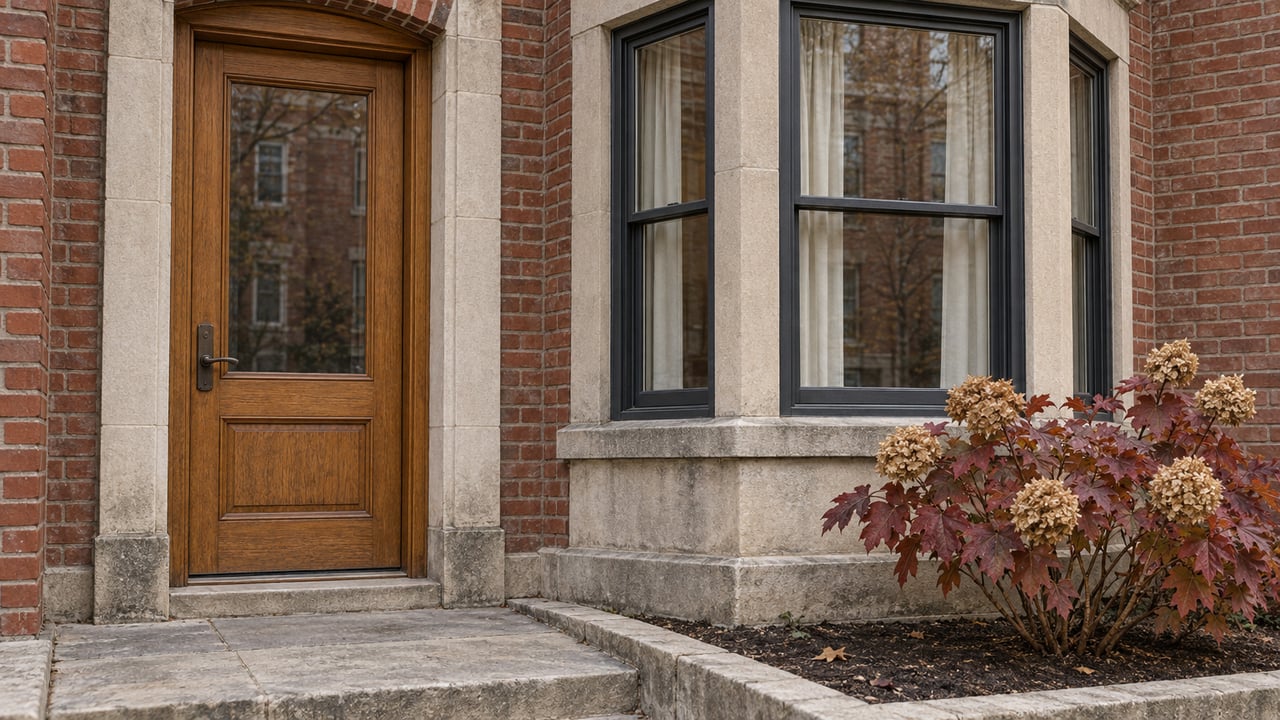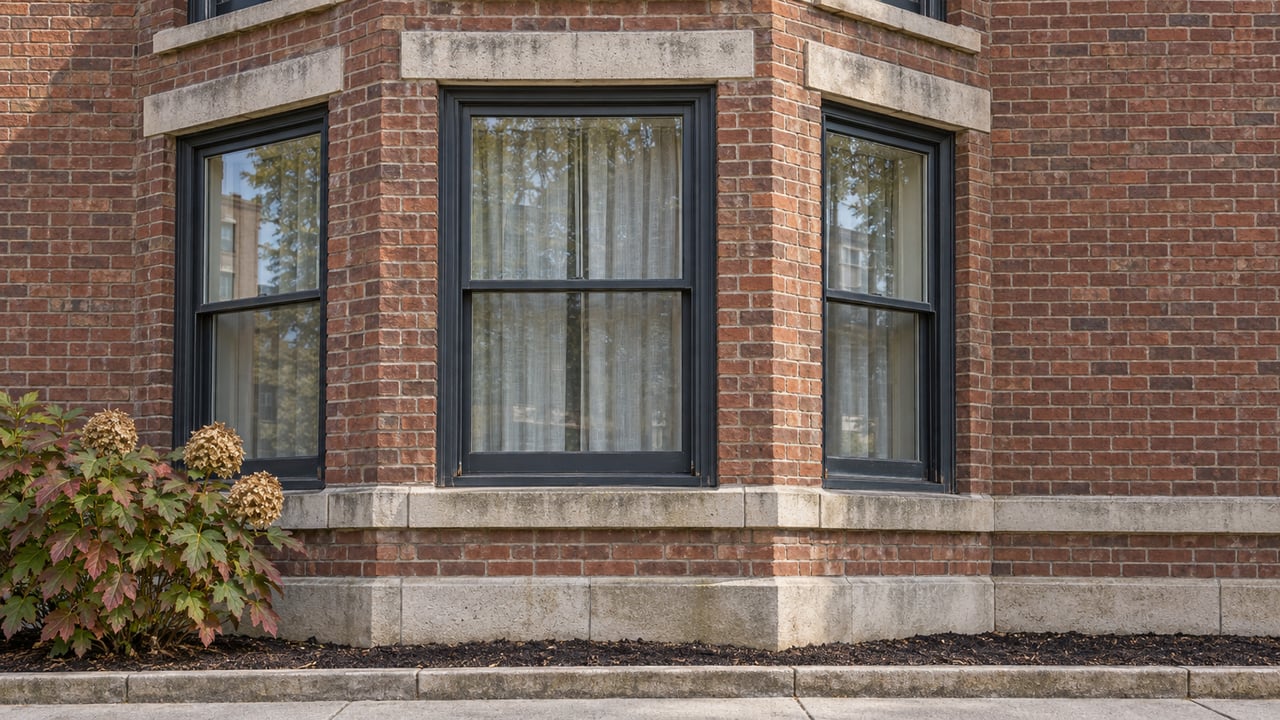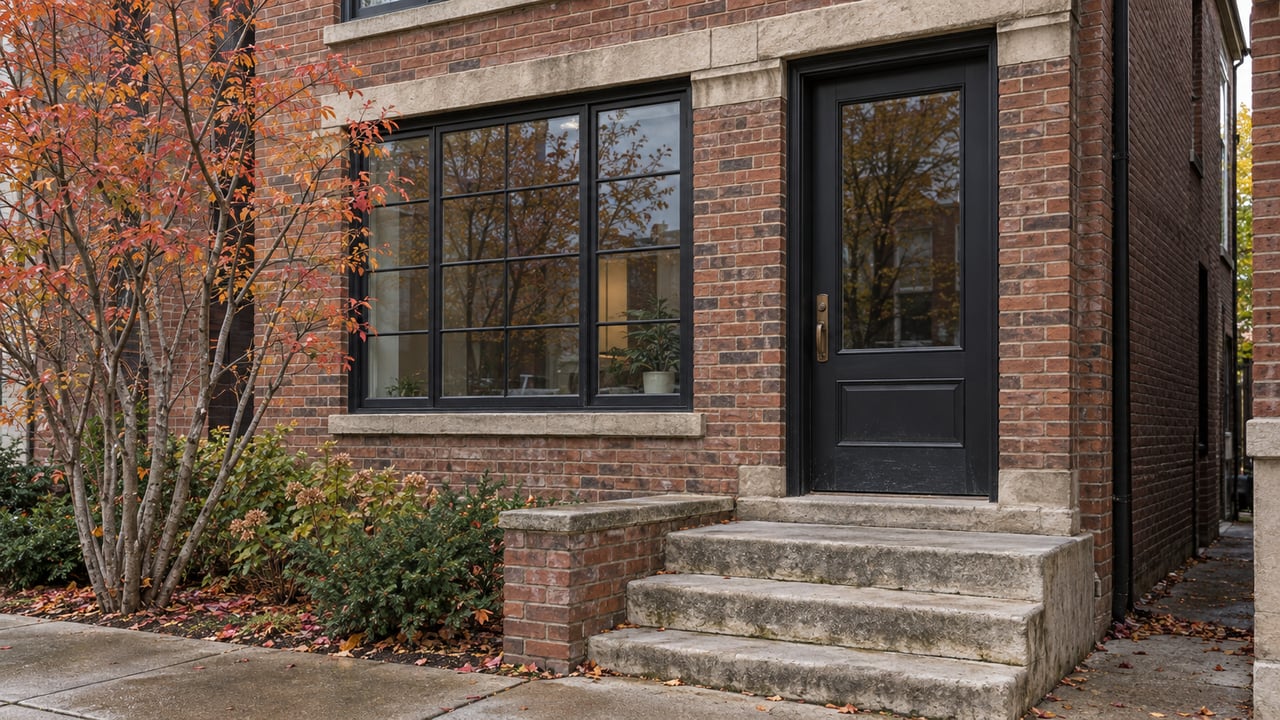
Selling a home in Lincoln Square can feel like a lot to manage at once. You want to price it right, prepare it well, and move through the process without costly surprises. The good news is that when you know what to expect, the path becomes much clearer. Here’s how the selling process typically works in Lincoln Square and what you can do to stay one step ahead.
Lincoln Square market basics
Lincoln Square is not a one-size-fits-all housing market. According to the Institute for Housing Studies housing data for Lincoln Square, the area includes single-family homes, condos, two-to-four unit buildings, and larger multi-unit properties, which means your pricing strategy should depend on your exact property type and condition.
That matters because broad neighborhood averages can be misleading. Public market snapshots also vary, with Redfin’s Lincoln Square housing market page reporting a February 2026 median sale price of $488,750 and 54 median days on market, while other portals show different median figures based on different methods and housing mixes. For you as a seller, the takeaway is simple: the best pricing guidance comes from recent comparable sales that match your home closely.
Price with local comps
In Lincoln Square, pricing is one of the biggest factors that shapes your entire sale. Because the neighborhood has such a mixed housing stock, a condo should not be priced from single-family data, and a two-flat should not be judged against a broad area median alone.
A strong pricing strategy usually starts with recent sales of similar homes in the same property class, with similar updates, layout, and condition. If pricing or presentation misses the mark, you may spend longer on the market than expected, and local market data from Redfin shows that homes were taking a median of 54 days to sell in early 2026.
Prepare before listing
The pre-listing phase is where you can create momentum before your home officially hits the market. In many cases, the most effective plan is not a full renovation. It is a focused approach built around cleaning, decluttering, minor repairs, paint touch-ups, curb appeal, and strong marketing assets.
The National Association of Realtors 2025 Profile of Home Staging found that 83% of buyers’ agents said staging made it easier for buyers to visualize a property as a future home. The same report found that 17% said staging increased dollar value offered by 1% to 5% compared with similar unstaged homes, and 30% of sellers’ agents reported slight decreases in time on market.
Focus on high-impact rooms
If you are deciding where to spend time and money, focus first on the spaces buyers notice most. According to NAR, the most commonly staged rooms were the living room, primary bedroom, dining room, and kitchen.
That does not mean every room needs a major overhaul. It means your home should feel clean, bright, functional, and easy to imagine living in.
Invest in photos early
Professional listing media can make a real difference. In the same NAR staging report, photos were rated as especially important by 88% of sellers’ agents, followed by videos at 47% and traditional physical staging at 43%.
For many sellers, this points to a practical prep budget instead of an oversized one. The goal is to make your home market-ready and visually compelling from day one.
Get documents ready early
Before you sign contracts or review offers, it helps to have your paperwork in order. The Illinois State Bar Association’s guidance for home sellers recommends speaking with a real estate attorney before signing documents related to the sale of your home.
The same guidance suggests gathering your title policy, deed, survey, and current mortgage statement. Your attorney can also help review the listing agreement, disclosures, tax prorations, and closing figures later in the process.
Understand Illinois disclosures
Disclosures are not something to leave until after you accept an offer. Illinois requires sellers to complete the Residential Real Property Disclosure Report, and the law notes that this is a legal obligation, not a warranty. Sellers may also have a continuing duty to update a buyer if new information comes up before closing, according to the Illinois disclosure law.
You should also expect radon materials under the Illinois Radon Awareness Act. If your home was built before 1978, federal law also requires lead-based paint disclosures and delivery of a lead-hazard pamphlet, and buyers generally receive a 10-day period to inspect for lead hazards unless that right is waived or changed by agreement.
What happens after launch
Once your home goes live, the first week often moves quickly. This is when your photos, listing details, showings, and early buyer feedback start shaping momentum.
In a market like Lincoln Square, you should not assume every listing sells in a single weekend. Recent local data shows a median market time of 54 days, which means a successful launch still needs the right price, strong presentation, and responsive adjustments if needed.
Expect showings and feedback
Showings are part of the rhythm of selling, especially in the early days. Buyers and agents will compare your home to others in the same price range, so condition, cleanliness, and ease of access can affect how strongly your listing performs.
This is also where a concierge-style approach can help. Coordinating photography, staging, MLS entry, showings, and communication in one organized workflow can make the process feel much more manageable.
Offers and contract terms
When offers come in, the highest number is not always the best one. In Illinois, sales are driven by written contracts, and the Illinois State Bar Association notes that key terms include the sale price, earnest money, financing terms, closing date, possession date, included personal property, tax prorations, and inspection and possession rights.
That means you should read every term carefully and avoid signing anything you do not fully understand. Attorney review is especially important here, since accepted offers are often followed by a short legal review period.
Negotiation usually continues after acceptance
An accepted offer is a big milestone, but it is not always the final word on every detail. Attorney review, inspection findings, and financing steps can all lead to follow-up negotiations.
Inspection requests are normal and do not automatically mean the deal is falling apart. In many sales, the next steps involve deciding whether to make repairs, offer credits, adjust timing, or keep the original terms in place with support from your agent and attorney.
Timeline from contract to closing
One of the most common seller questions is how long the process will take. In Lincoln Square, the answer usually has two parts: time to get an offer and time to close after acceptance.
The market pace is one variable, and Redfin’s local market data showed a median of 54 days on market in February 2026. After you accept an offer, many financed Illinois transactions take about 30 to 45 days to close, while cash deals can move faster, according to North Side Legal’s Illinois closing timeline overview.
Closing costs to plan for
Seller closing costs are best understood as a group of line items, not one flat number. Depending on your contract and property type, costs may include attorney fees, title and escrow charges, transfer taxes, prorated property taxes, and any agreed credits or concessions.
Chicago and Illinois transfer taxes are part of that picture. The City of Chicago budget overview explains that the city real property transfer tax is $3.75 per $500 and is paid by the transferee, while the CTA portion is $1.50 per $500 and is paid by the transferor. Illinois also imposes a state real estate transfer tax of $0.50 per $500, and counties may add $0.25 per $500.
Why property type matters
Lincoln Square includes condos, single-family homes, two-flats, and larger multi-unit buildings. Because of that, the sale process can vary based on what you own.
A condo sale may involve additional building documents or association details. A multi-unit building may raise different buyer questions than a single-family home. This is one reason local pricing, tailored prep, and organized transaction management are especially important in Lincoln Square.
How concierge support helps
Selling a home involves more than putting a sign in the yard. You may need help coordinating staging, photographers, repairs, showing logistics, disclosures, attorney communication, and closing details.
That is where a full-service team can make the experience smoother. If you want expert help preparing, pricing, and selling your Lincoln Square home with less stress and more clarity, connect with Juliana & Ben Yeager for a tailored plan built around your property and timeline.
FAQs
How long does it take to sell a home in Lincoln Square?
- Recent Lincoln Square market data from Redfin showed a median of 54 days on market in February 2026, and many financed Illinois closings take about 30 to 45 days after offer acceptance.
What should you fix before listing a Lincoln Square home?
- The strongest prep priorities are usually cleaning, decluttering, minor repairs, paint touch-ups, curb appeal, and professional photos, with the living room, primary bedroom, dining room, and kitchen often getting the most staging attention according to the NAR home staging report.
What disclosures are required when selling a home in Illinois?
- Illinois sellers should expect the Residential Real Property Disclosure Report, radon materials, and for many pre-1978 homes, federal lead-based paint disclosures and pamphlet delivery under the Illinois disclosure law.
Why is pricing a Lincoln Square home different from pricing in other areas?
- Lincoln Square has a mix of condos, single-family homes, two-to-four unit buildings, and larger multi-unit buildings, so pricing should rely on recent comparable sales in the same property type and condition rather than broad neighborhood averages.
What costs should sellers expect at closing in Chicago?
- Seller costs may include attorney fees, title and escrow charges, state and county transfer taxes, the Chicago CTA transfer tax, prorated property taxes, and any negotiated credits or concessions, depending on the contract terms and property type.