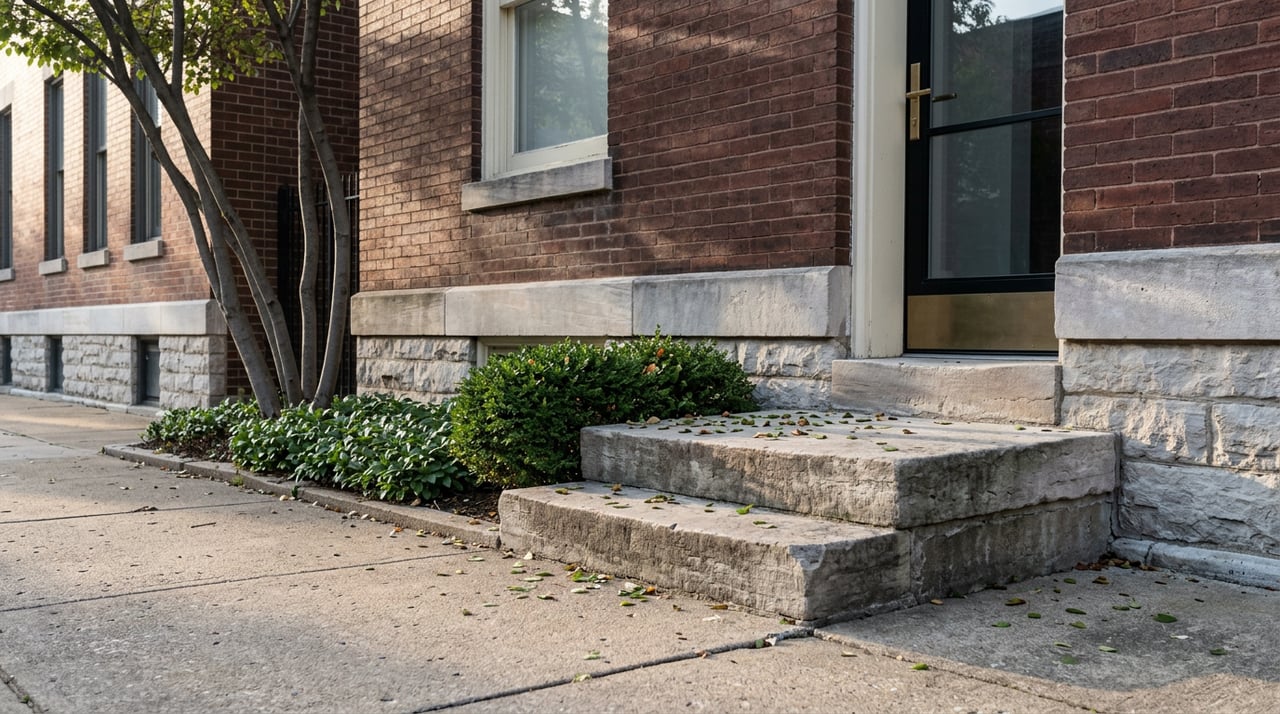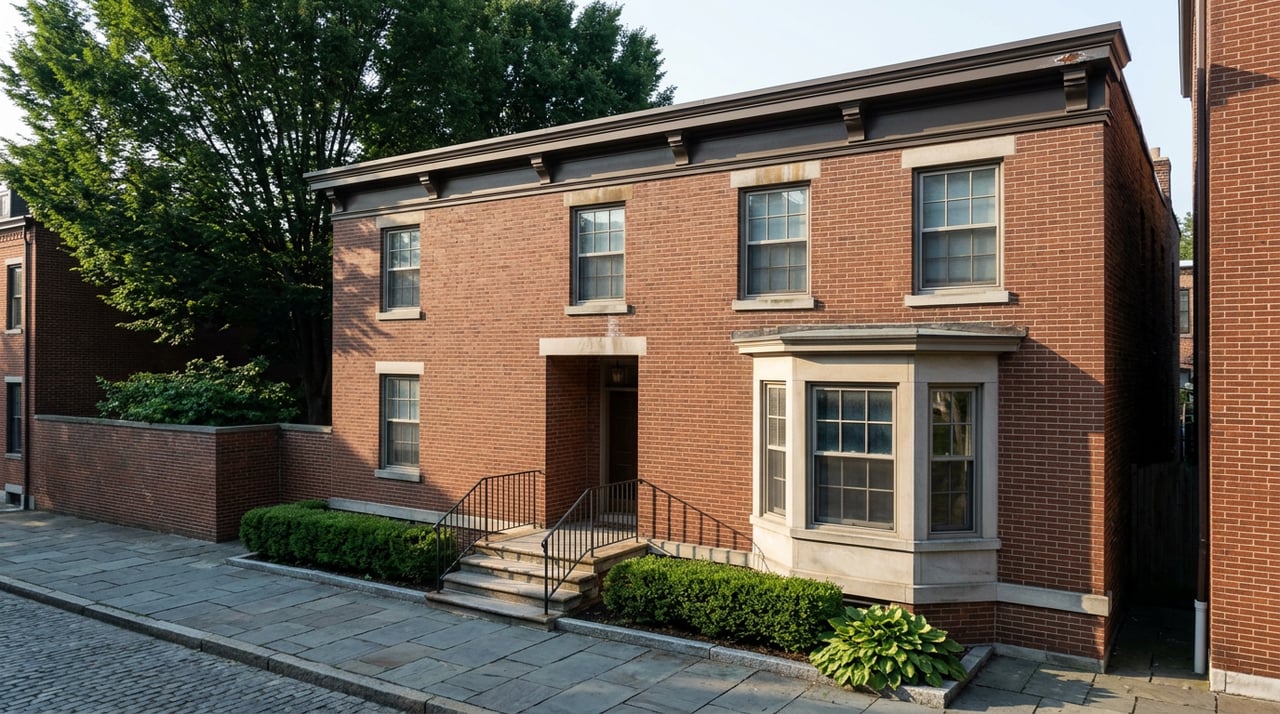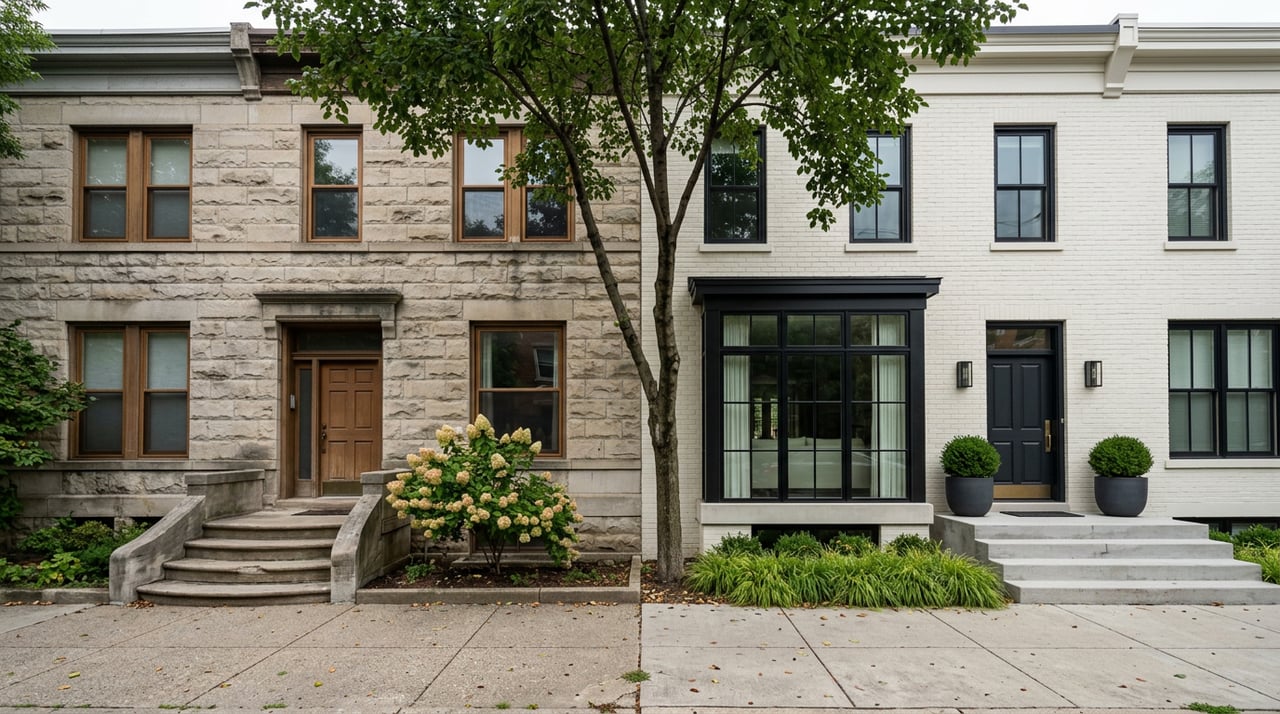
Buying your first home in Lincoln Park can feel exciting right up until you see how fast homes move. In a neighborhood where many listings attract multiple offers, it is easy to wonder how prepared you need to be before you start touring. The good news is that with the right plan, you can shop with more confidence, understand your true monthly cost, and make smart tradeoffs that fit your life. Let’s dive in.
Understand the Lincoln Park market
Lincoln Park is a competitive market for first-time buyers. March 2026 data showed a median sale price of about $700,000, with homes moving in a matter of weeks, not months. Some homes receive multiple offers, and some buyers choose to waive contingencies to compete.
That does not mean you need to rush into a decision without a plan. It does mean you should expect a fast pace and limited bargaining room on well-priced homes. If you wait to sort out your budget or priorities until after you find a place you love, you may feel behind from the start.
Know what first-time buyers usually purchase
In Lincoln Park, many first-time buyers enter the market through condos, walk-ups, or smaller multi-unit buildings. Regional planning data shows the neighborhood has a high share of housing in larger multi-unit buildings, along with a strong mix of studio, one-bedroom, and two-bedroom homes. Detached single-family homes make up a much smaller share of the housing stock.
That housing mix shapes your search. If you are hoping for your first purchase in Lincoln Park, you will likely see more condos than houses, and more smaller floor plans than oversized homes. That can be a great fit if location, transit access, and lower maintenance matter more to you than maximum square footage.
Budget for the full monthly payment
One of the biggest first-time buyer mistakes is focusing only on the mortgage amount. Your real monthly housing cost can include principal, interest, property taxes, mortgage insurance, homeowner’s insurance, flood insurance if required, and HOA fees. In Lincoln Park, that last item can change the math quickly.
HOA dues are especially important because so much of the neighborhood inventory is condo-based. Fees can range from a few hundred dollars a month to more than $1,000 a month, and they are usually paid directly to the association. A lower purchase price does not always mean a lower monthly cost.
Here is a simple way to think about your budget:
- Mortgage principal and interest
- Property taxes
- Homeowner's insurance
- Mortgage insurance, if applicable
- HOA dues, if applicable
- Utilities and parking, if not included
- Ongoing maintenance and reserves
When you compare homes, compare the total monthly payment, not just the list price. That gives you a more realistic picture of what feels comfortable month after month.
Plan for upfront closing costs
Your down payment is only part of the cash you need. Closing costs can include appraisal fees, title insurance, government taxes, and prepaid items. In Chicago, transfer-tax and recording requirements also affect the deal structure, so it helps to talk through these costs early rather than treat them as a last-minute surprise.
The City of Chicago requires a Full Payment Certificate process to obtain the transfer tax stamps needed to record the deed. Even if a contract assigns certain fees to one party or the other, these items still shape the overall transaction. For a first-time buyer, that is a strong reason to build a complete cash-to-close estimate before you start writing offers.
Look into savings and assistance options
Some buyers have more room in their budget than they think once they account for available programs. In Cook County, the Homeowner Exemption can reduce equalized assessed value by $10,000 for qualifying owner-occupants who use the property as their principal residence. According to the Assessor, that saves the average homeowner about $950 per year.
For eligible first-time buyers, the IHDAccess Home program may also help with upfront costs. IHDA says the program provides 6% of the purchase price, up to $15,000, as deferred down payment assistance with no monthly payment until the home is sold, refinanced, or 30 years pass. Current requirements include a 640 credit score, a minimum borrower contribution, a debt-to-income cap, primary-residence use, and pre-purchase education.
These programs do not fit every buyer, but they are worth reviewing early. In a higher-cost neighborhood like Lincoln Park, even modest savings or assistance can make your first purchase feel more workable.
Decide your tradeoffs before touring
In Lincoln Park, the biggest tradeoff is often size versus location versus monthly cost. You may find that a smaller home in a more central location gives you the daily convenience you want, while a larger home may require a bigger budget or different set of compromises. There is no single right answer, but there is value in deciding what matters most before emotions enter the picture.
A few questions can help clarify your priorities:
- Do you want lower monthly costs, even if the space is smaller?
- Are you comfortable with HOA dues if they support the location or building amenities?
- Is parking essential, or can transit and walkability reduce that need?
- Do you need extra storage or a second bedroom now, or only eventually?
- Would you rather be closer to parks, shops, or CTA access even if the home itself is smaller?
Lincoln Park supports many different lifestyles. The neighborhood offers access to the 1,188.62-acre Lincoln Park system, including Lincoln Park Zoo, the Conservatory, North Avenue Beach, the Chicago History Museum, and the Peggy Notebaert Nature Museum. CTA access is also a major advantage, with nearby Brown, Red, and Purple Line stations including Fullerton, Armitage, Belmont, and North/Clybourn.
That convenience matters because many households in Lincoln Park do not rely heavily on a car. Regional data shows a notable share of residents commute by transit, walk, or bike, and about 32.6% of households have no vehicle. That makes parking, storage, and car ownership real decision points, not automatic assumptions.
Be smart about older buildings
Lincoln Park has a substantial share of older housing. The median year built is 1970, and a significant portion of units were built before 1940. For first-time buyers, that means inspection and maintenance questions deserve as much attention as layout and finishes.
An inspection is a smart step before you are finally committed to buy the home. In older buildings, you may want to understand the condition of major systems, signs of water issues, and whether upcoming maintenance could affect your future costs. If you are buying into an association, you will also want a clear picture of the monthly dues and how they fit into your overall budget.
Prepare your offer strategy early
In a competitive market, clarity beats improvisation. If many homes are receiving multiple offers and hot listings can go pending quickly, it helps to decide in advance which terms are flexible and which protections are non-negotiable for you. That way, when the right home appears, you can act with confidence instead of stress.
You do not need to waive important protections just because other buyers sometimes do. But you should understand that sellers may favor clean, well-prepared offers. A first-time buyer who knows their budget, understands their closing costs, and has already thought through tradeoffs is usually in a stronger position than a buyer who is still making basic decisions under pressure.
Know what happens at closing
Closing is not just a signing appointment. It is the point where the financing, documents, property condition, and final numbers all need to line up. According to the CFPB, buyers should receive the Closing Disclosure at least three business days before closing.
The closing packet usually includes the note, mortgage or security instrument, deed, and itemized fees. A settlement agent coordinates the transaction, and the lender sends funds to that party for closing. For first-time buyers, this is where good preparation pays off, because there is much less room for confusion when you have already reviewed the moving parts.
A first home in Lincoln Park starts with a plan
Lincoln Park can be a great place to buy your first home, but it rewards preparation. The neighborhood offers strong transit access, major park amenities, and a housing mix that gives many buyers an entry point through condos and smaller multi-unit buildings. At the same time, it is a fast-moving market where monthly costs, HOA dues, and closing expenses deserve real attention.
If you want guidance that is practical, local, and tailored to how you actually live, working with a team that knows Chicago block by block can make a big difference. When you are ready to start your first-home search in Lincoln Park, connect with Juliana & Ben Yeager.
FAQs
What should first-time buyers expect from the Lincoln Park housing market?
- First-time buyers should expect a competitive market with many homes receiving multiple offers, a median sale price around $700,000 in March 2026, and relatively fast timelines for well-priced listings.
What types of homes do first-time buyers usually find in Lincoln Park?
- Most first-time buyers in Lincoln Park will see more condos, walk-ups, and smaller multi-unit buildings than single-family homes, along with many studio, one-bedroom, and two-bedroom options.
What costs should first-time buyers budget for in Lincoln Park?
- First-time buyers should budget for the full monthly payment, including mortgage principal and interest, property taxes, insurance, mortgage insurance if needed, HOA dues if applicable, and closing costs such as appraisal fees, title insurance, taxes, and prepaids.
Why do HOA fees matter when buying a first home in Lincoln Park?
- HOA fees matter because many Lincoln Park homes are condos, and monthly dues can add several hundred dollars or more to your housing cost, which can change what feels affordable.
Are there first-time buyer savings programs available in Cook County or Illinois?
- Yes. Eligible buyers may benefit from the Cook County Homeowner Exemption for owner-occupied homes and may also qualify for IHDAccess Home down payment assistance if they meet current program requirements.
How important is transit and parking when buying in Lincoln Park?
- Transit and parking are important decision points because Lincoln Park has strong CTA access, many residents commute without driving, and some buyers may choose location and transit convenience over dedicated parking.
Should first-time buyers inspect older Lincoln Park homes carefully?
- Yes. Because a notable share of Lincoln Park housing was built before 1940, inspections and questions about building condition, maintenance, and future costs are especially important.
What happens at closing for a first-time home purchase in Chicago?
- At closing, the settlement agent coordinates the transaction, the lender sends funds, buyers review final documents and fees, and the deed is recorded after the required transfer-tax stamp process is completed.