Trying to choose between Ravenswood and Lincoln Square for daily life? You are not alone. These two North Side areas are closely connected, and on the ground they can feel similar at first. But if you look at how people actually live day to day, the differences become much clearer. This guide will help you compare housing feel, transit, parks, and everyday convenience so you can decide which area fits your routine best. Let’s dive in.
Ravenswood and Lincoln Square Basics
Ravenswood and Lincoln Square are often talked about together, but they are not exactly the same thing. Lincoln Square is an official Chicago community area, while Ravenswood is a smaller neighborhood name that overlaps with Lincoln Square.
That distinction matters because much of the available public data applies to Lincoln Square as a whole, not Ravenswood alone. For everyday living, it helps to think of Ravenswood as the quieter anchor neighborhood and Lincoln Square as the nearby point of comparison.
Their histories also help explain why they feel different now. Ravenswood began as a commuter suburb, later became an industrial and manufacturing corridor, and then evolved into a more creative and arts-oriented area. Lincoln Square developed with commercial districts and residential pockets, which is why it often feels more like a neighborhood center.
Housing Feel and Street Character
Ravenswood feels more residential
If you are looking for a calmer block-by-block feel, Ravenswood often stands out. Its housing history includes large commuter lots that gradually filled in with small houses, two-flats, and apartment buildings as transit expanded.
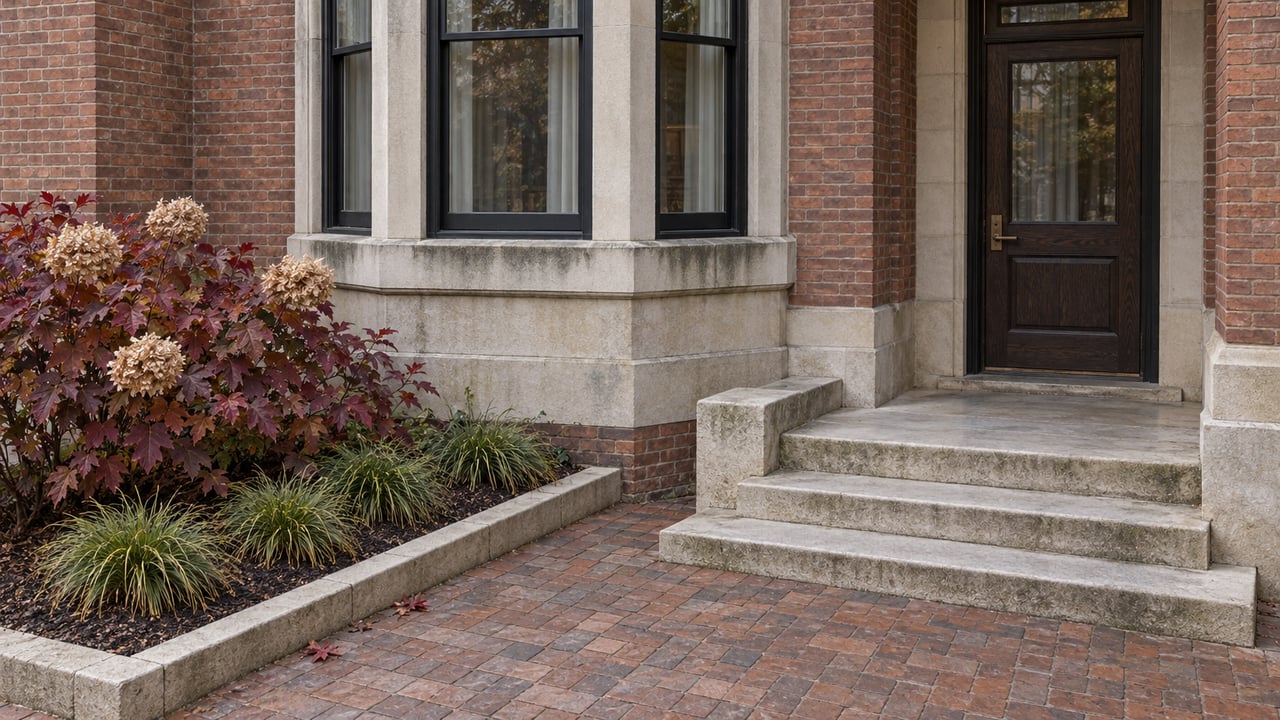
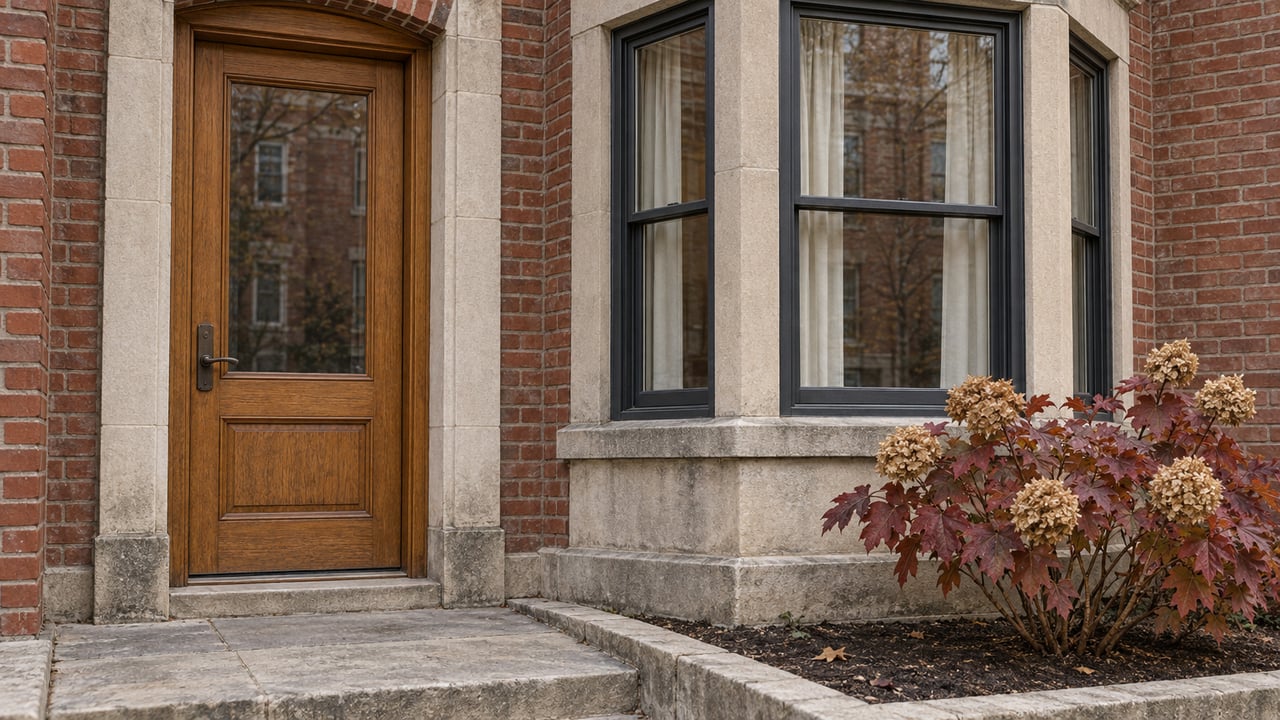
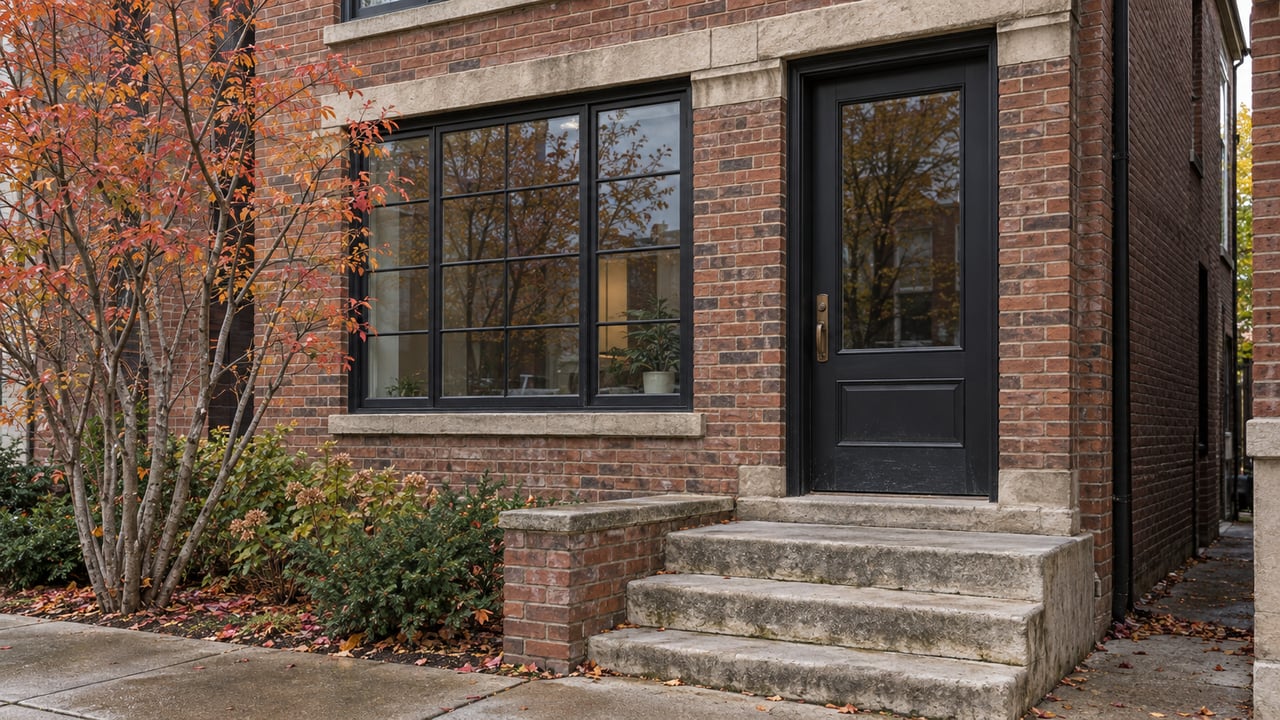
In practical terms, that tends to mean tree-lined streets, low-rise buildings, and a strong residential rhythm. You may feel a little more removed from the busiest retail pockets while still staying close to them.
Lincoln Square feels more mixed
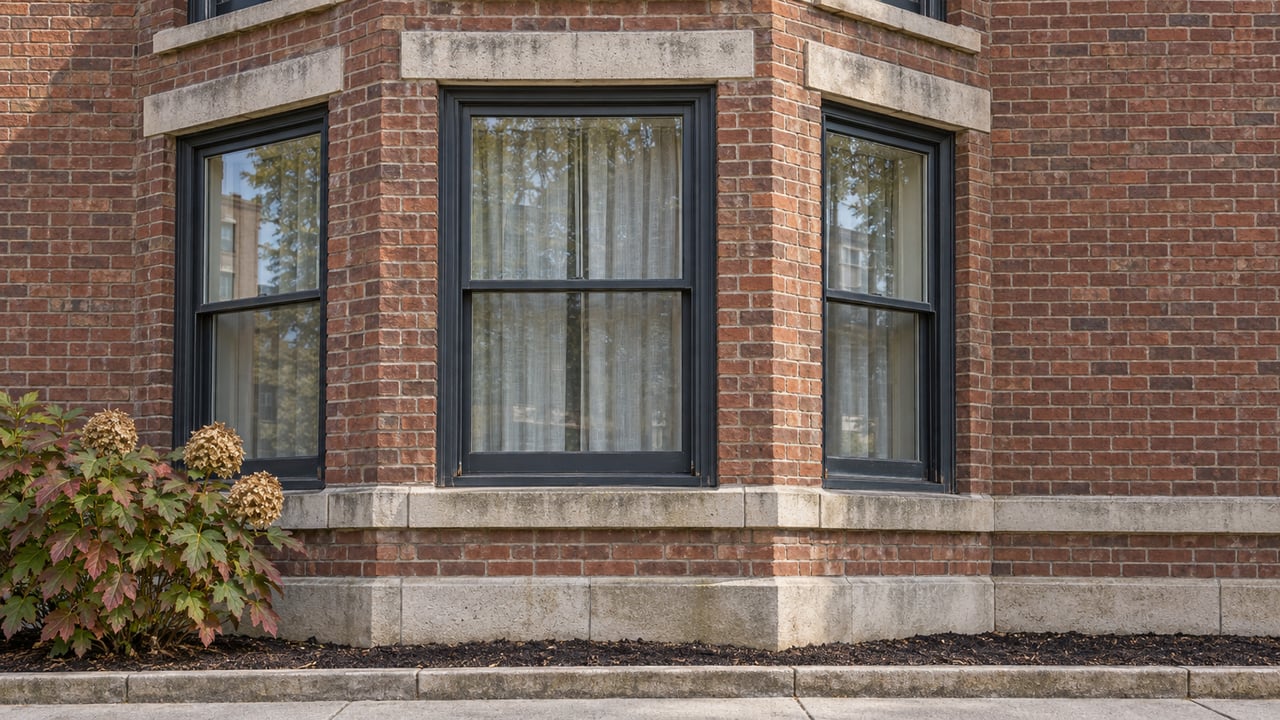
Lincoln Square has a broader housing mix. In 2024, the community area included 14.3% detached single-family homes, 22.7% two- to four-unit buildings, 42.5% buildings with 5 or more units, and 22.3% condominiums.
The housing stock is also older overall, with 46.3% of homes built before 1940 and a median year built of 1944. That gives much of the area a vintage, established feel rather than a newer planned look.
It is also more renter-heavy than some buyers expect. Lincoln Square is 59.3% renter-occupied and 40.7% owner-occupied, so it is best described as low-rise, vintage, and mixed rather than mostly single-family.
Transit and Commuting Options
Ravenswood offers two rail choices
One of Ravenswood’s biggest lifestyle advantages is access to both CTA and Metra. The CTA Brown Line serves this part of the North Side with stations including Rockwell, Western, Damen, Montrose, Irving Park, and Addison.
Ravenswood also has a station on Metra’s Union Pacific North line. If you commute downtown, want a faster backup option, or simply like having flexibility, that second rail line can make a real difference in daily life.
Lincoln Square supports transit-centered living
Lincoln Square also works well for people who rely on transit or mix different commute styles. In the community area, 21.4% of workers use transit, 27.3% work from home, 38.2% drive alone, and 6.7% walk or bike.
The mean commute time is 34.4 minutes, and 22.2% of households have no vehicle. Those numbers point to a neighborhood where many daily routines do not depend entirely on driving.
What that means day to day
If your priority is rail access without being right inside the busiest retail stretch, Ravenswood may feel like the better fit. If you want a routine that centers more directly around errands, transit, and neighborhood activity, Lincoln Square may feel more convenient.
The difference is less about one being "better" and more about where you want your day to happen. Ravenswood leans residential and corridor-adjacent. Lincoln Square leans center-oriented.
Parks and Outdoor Time
Welles Park anchors Lincoln Square
Welles Park is one of the most complete recreation hubs in the area. It includes a fieldhouse, fitness center, pool, nature play space, playground, tennis courts, pickleball courts, volleyball, soccer, a picnic grove, and a water spray feature.
If you like having a central place for outdoor time, exercise, and community activity, Welles Park adds a lot to Lincoln Square’s everyday appeal. It supports both quick weekday use and longer weekend outings.
Winnemac Park serves both areas
Winnemac Park is a major shared green space on the Ravenswood and Lincoln Square edge. The park covers 22.38 acres and includes an accessible playground, prairie garden, nature trail, three softball fields, and a soccer field.
For many residents, this park is a major part of everyday living regardless of which neighborhood label they use. It is the kind of space that makes it easier to build walks, play time, and outdoor breaks into your normal routine.
Ravenswood has a block-by-block outdoor feel
Ravenswood’s outdoor identity is less about one central gathering park and more about community greening, public art, and a neighborhood feel that unfolds over several blocks. Local organizations highlight greening efforts, the farmers market, and public art as part of the area’s character.
That creates a different kind of daily experience. Instead of one obvious center, Ravenswood often feels more spread out and lived-in.
Shops, Dining, and Everyday Errands
Lincoln Square has the stronger core
Lincoln Square has the more obvious town-center amenity mix. The neighborhood includes independent shops, the Lincoln Square Farmers Market with more than 40 vendors, a summer concert series at Giddings Plaza, the Davis Theater, the Old Town School of Folk Music, DANK Haus, Gene’s Sausage Shop, and a range of local dining and retail options.
For many buyers, that means errands and leisure can blend together easily. You can picture a day that includes coffee, a few stops at neighborhood businesses, a park visit, and an evening event without needing to go far.
Ravenswood leans creative and corridor-based
Ravenswood has a different kind of amenity identity. Ravenswood Avenue is known as a former industrial corridor that has grown into an arts, shopping, and craft-beverage district.
The area is also known for breweries, restaurants, and creative businesses. So while it may feel less like a single town square, it offers a strong local identity for people who enjoy arts-oriented spaces and neighborhood character with an industrial-to-creative story behind it.
Which Neighborhood Fits Your Routine?
Choose Ravenswood if you want quieter daily living
Ravenswood may be the better fit if you want:
- A more residential street feel
- Historic low-rise housing character
- Access to both the Brown Line and Metra
- Proximity to amenities without living in the busiest commercial pocket
- A neighborhood shaped by arts, greening, and creative reuse
For many buyers, Ravenswood feels like a place where home life takes center stage and neighborhood activity stays close by, not on top of you.
Choose Lincoln Square if you want a stronger center
Lincoln Square may be the better fit if you want:
- A more obvious neighborhood core
- A denser concentration of shops and everyday errands
- Community programming and gathering spaces
- Easy access to destination retail, dining, and cultural spots
- A classic mix of residential blocks and commercial activity
If your ideal routine includes stepping into a more active neighborhood center on a regular basis, Lincoln Square often delivers that more clearly.
What Buyers and Sellers Should Keep in Mind
If you are buying, the biggest difference is often how you want your everyday life to feel. Ravenswood tends to offer more residential calm with strong transit access. Lincoln Square tends to offer more central activity with a stronger commercial core.
If you are selling, it helps to understand that buyers are often deciding between these two lifestyles, not just between two map labels. Clear positioning matters. A home in or near Ravenswood may appeal to buyers who want a quieter setting with character and rail access, while a home tied to Lincoln Square may appeal to buyers focused on convenience, programming, and a center-oriented routine.
That is where local guidance really matters. Pricing, marketing, and neighborhood storytelling work best when they reflect how people actually use the area every day.
If you are weighing Ravenswood against Lincoln Square, or preparing to buy or sell in either area, working with a team that understands the subtle differences can make the process much easier. Connect with Juliana & Ben Yeager for thoughtful, neighborhood-specific guidance tailored to how you want to live.
FAQs
What is the difference between Ravenswood and Lincoln Square in Chicago?
- Lincoln Square is an official Chicago community area, while Ravenswood is a smaller neighborhood name that overlaps with it. In everyday terms, Ravenswood usually feels more residential, while Lincoln Square feels more like a neighborhood center.
Is Ravenswood or Lincoln Square better for commuting downtown?
- Both offer solid commuting options, but Ravenswood has access to both the CTA Brown Line and the Metra Union Pacific North line, which can give you more flexibility.
What is housing like in Lincoln Square, Chicago?
- Lincoln Square has a mixed housing profile that includes single-family homes, two- to four-unit buildings, larger apartment buildings, and condos. Much of the housing stock is older, with many homes built before 1940.
What parks serve Ravenswood and Lincoln Square residents?
- Welles Park is a major recreation hub in Lincoln Square, and Winnemac Park is a large shared green space near the edge of Ravenswood and Lincoln Square.
Is Ravenswood or Lincoln Square better for everyday errands and local businesses?
- Lincoln Square generally has the stronger concentration of everyday shopping, dining, and community programming, while Ravenswood offers a more corridor-based mix with arts, breweries, restaurants, and creative businesses.