Selling a home from another state can feel like trying to manage a moving target from miles away. If you own property in Ravenswood, you are likely juggling logistics, paperwork, timing, and the pressure to make smart decisions without being there in person. The good news is that with the right plan, you can keep the process organized, protect your timeline, and present your home well to buyers. Let’s dive in.
Why Ravenswood Appeals to Buyers
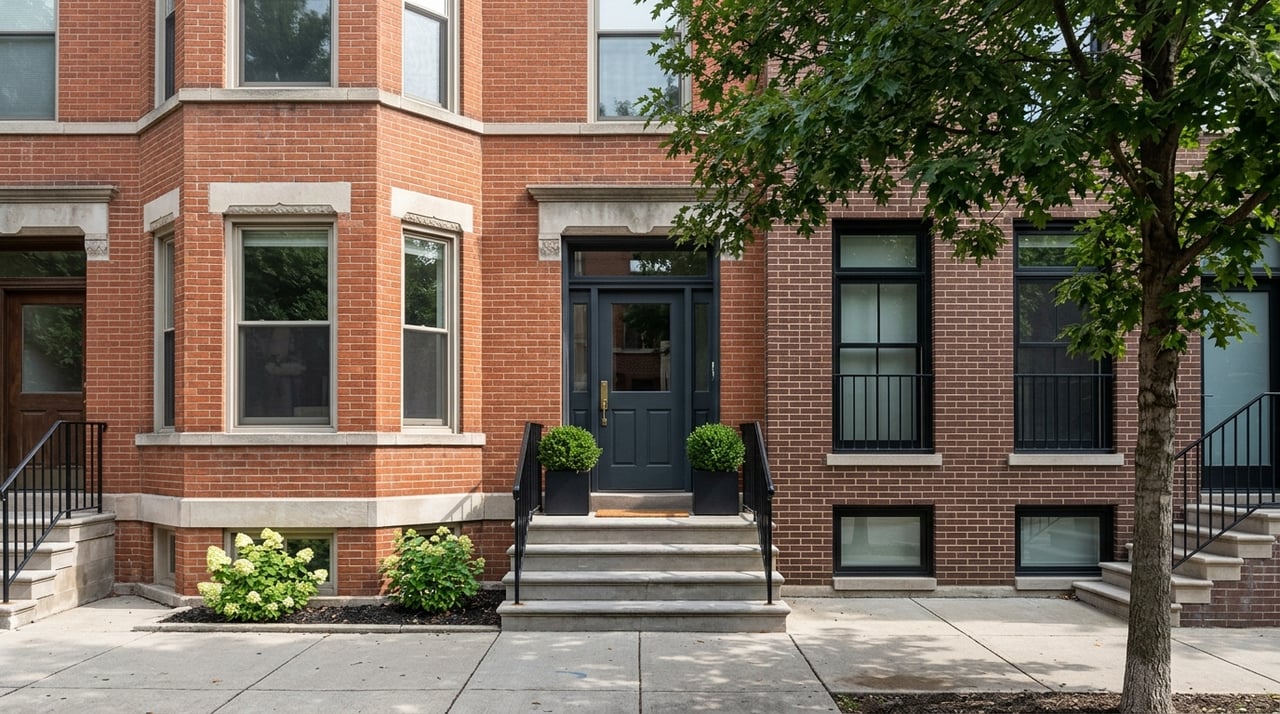
Ravenswood gives buyers a mix of residential streets, retail, and commercial space in a near North Side Chicago location. That balance matters when you are marketing a home remotely because buyers are not only evaluating the property itself, but also how the location fits their daily routines.
Another major selling point is access. The neighborhood is served by Metra, CTA Brown Line stops, several bus routes, bike access, and a walk score of 90. For your listing, that means walkability and transit are not side notes. They are part of the value story.
Start With Seller Disclosures Early
If you are selling residential real property in Illinois, you must complete the Residential Real Property Disclosure Report and deliver it before signing a contract. This is one of the most important tasks to handle early, especially when you live out of state and may need extra time to gather records and confirm details.
Illinois law requires disclosure of actual known material defects. You do not have to conduct a separate investigation just to complete the form, but you do need to answer based on what you know. If you later learn about an error, inaccuracy, or omission before closing, you must provide a written supplement.
The process is also remote-friendly. Illinois allows delivery by personal delivery, facsimile, email, or other electronic delivery, which can make a long-distance sale much easier to manage.
Organize Radon and Lead Paint Documents
A remote sale moves more smoothly when you collect required disclosure materials before the listing goes live. In Illinois, sellers must provide buyers with the IEMA-OHS pamphlet Radon Testing Guidelines for Real Estate Transactions and the Illinois Disclosure of Information on Radon Hazards.
If the property has been tested for radon, the results must be disclosed. That makes it smart to gather any past radon reports early, along with related paperwork you may have saved from earlier transactions or inspections.
If your home was built before 1978, lead-based paint disclosure rules generally apply to most housing of that age. For an out-of-state seller, this is another reason to pull together old test reports, prior inspection notes, and disclosure forms before your home hits the market.
Build a Remote Listing Prep Plan
When you are not local, listing prep needs structure. Instead of handling tasks one by one as issues pop up, it helps to create a simple plan for cleaning, repairs, access, and marketing assets.
A strong digital-first prep process usually includes:
- Decluttering
- Whole-home cleaning
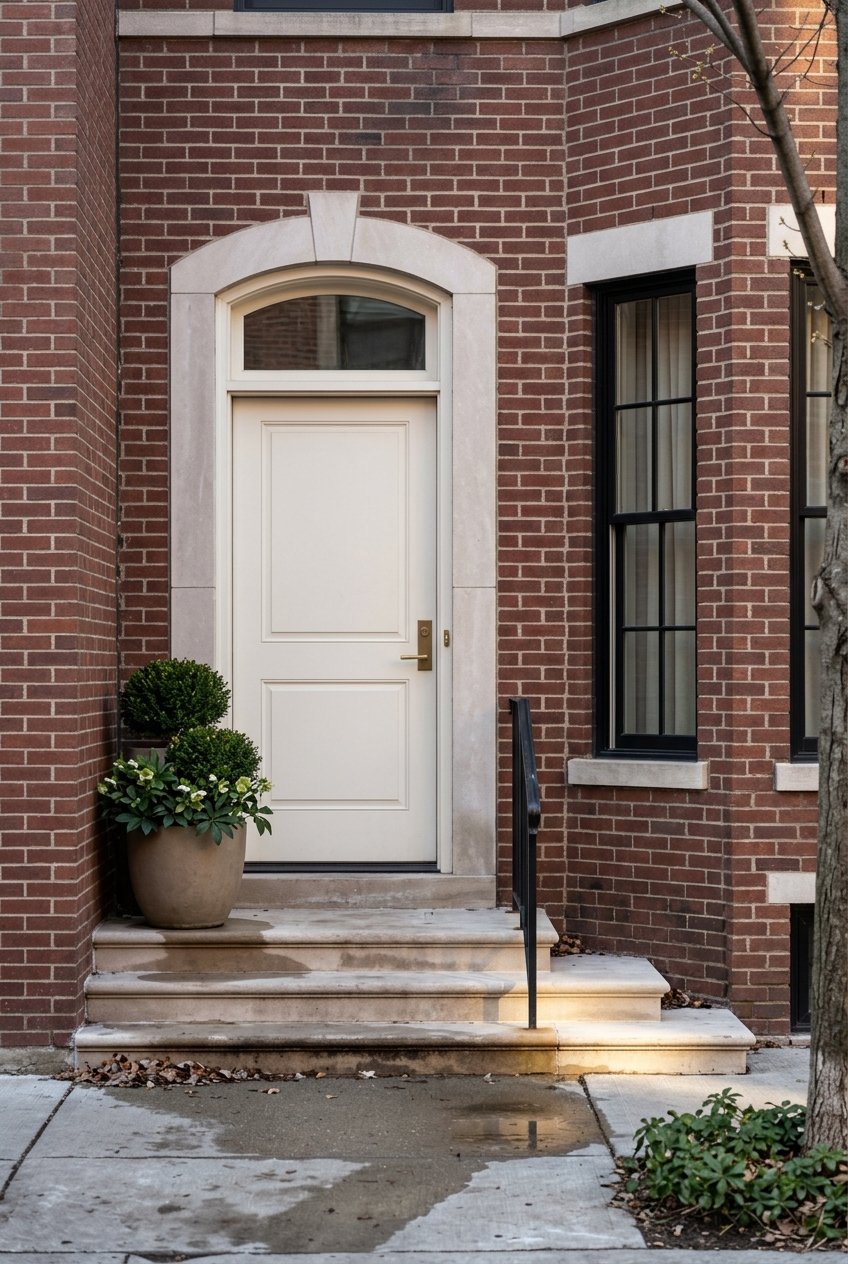
- Curb appeal improvements
- Minor touch-up painting or repairs
- Professional photography
- Video walk-throughs
- Virtual tours or 3D tours
- A clear punch list before photos
This kind of preparation matters because buyers often form their first impression online. Industry guidance shows that photos, videos, and virtual tours are widely seen as important listing assets, and staging can slightly shorten time on market. Some agents also reported seeing a 1% to 5% increase in offered value after staging.
Use Visual Marketing to Bridge Distance
Out-of-state sellers need more than a yard sign and a few listing photos. Buyers want to understand layout, flow, and condition before they decide whether to visit in person.
That is where visual marketing becomes essential. Virtual tours help buyers assess a property online, and video walk-throughs can give added context that still photos alone may miss. For you as the seller, this also creates better visibility into how the home is being presented while you are away.
Assign Local Vendors Early
The easiest way for a remote sale to become stressful is for the seller to stay at the center of every small decision. If every cleaner, handyman, photographer, or building contact needs to wait for your direction, delays can pile up fast.
A smoother process usually starts with assigning local vendors early. Depending on the property, that may include:
- A stager
- A cleaner
- A handyman
- A photographer
- A title or closing team
For condo sales, there is often another layer of coordination around association documents and access. For houses, the focus may lean more toward curb appeal, exterior upkeep, and vendor scheduling.
Create One Communication System
Long-distance selling works best when communication is simple and consistent. You should not have to chase updates from multiple people or search through scattered email threads to find the latest version of a document.
A practical setup often includes one shared document folder, one approval path for repairs and pricing changes, scheduled progress updates, and one local point person for access and vendor coordination. That structure can reduce friction and help keep the sale moving.
This is where concierge-style support matters. For out-of-state sellers, strong coordination is often just as important as pricing strategy because it keeps small issues from turning into major disruptions.
Plan for Chicago Transfer Taxes
Closing costs are another area where remote sellers should prepare early. In Chicago, the current real property transfer tax structure includes a city portion of $3.75 per $500 of transfer price and a supplemental CTA portion of $1.50 per $500.
Cook County adds $0.25 per $500, and Illinois adds $0.50 per $500. Together, that puts the transfer-tax burden inside Chicago at about $6.00 per $500, or roughly 1.2% of the sale price, before other closing costs.
For an out-of-state seller, there is also some good news on the paperwork side. Chicago Form 7551 and state transfer declarations can be handled electronically through MyDec, which can make closing coordination more manageable from afar.
Prepare for Remote Closing Logistics
If you already know you will not be in Chicago for closing, raise that issue early. A flexible attorney or title company can help you understand whether signing can happen with a local notary if an in-person closing is not practical.
This is one of those details that is much easier to solve in advance than at the last minute. The earlier your closing team knows your location and schedule, the easier it is to avoid unnecessary delays.
What Out-of-State Sellers Should Prioritize
If you want to simplify your Ravenswood sale, focus on the items that have the biggest impact first. That usually means legal disclosures, property prep, marketing assets, communication structure, and closing coordination.
Here is a simple checklist to keep in mind:
- Complete the Illinois Residential Real Property Disclosure Report early
- Gather radon and, if applicable, lead-based paint documents
- Create a punch list for cleaning, repairs, and touch-ups
- Schedule professional photos, video, and virtual-tour assets
- Assign local vendors before the home goes live
- Set up one clear communication and approval system
- Budget for transfer taxes and closing costs
- Confirm remote signing options well before closing
Why Local Execution Matters in Ravenswood
Ravenswood is a neighborhood where lifestyle details help shape buyer interest. A listing should clearly present the home, but it should also highlight the neighborhood context buyers often care about, including transit access, walkability, and the convenience of the near North Side location.
That is why local execution matters so much when you are selling from out of state. You need a process that keeps the property market-ready, the paperwork compliant, and the marketing aligned with what buyers are actually looking for in Ravenswood.
If you are preparing to sell a Ravenswood home from another state, working with a team that can coordinate staging, vendors, digital marketing, and long-distance logistics can make the process far more manageable. To talk through your next steps, connect with Juliana & Ben Yeager.
FAQs
Can out-of-state sellers complete Illinois real estate disclosures electronically?
- Yes. Illinois law allows delivery of the Residential Real Property Disclosure Report by email or other electronic delivery methods.
What do Ravenswood sellers need to disclose if a new issue comes up before closing?
- If you learn of an error, inaccuracy, or omission in the disclosure before closing, Illinois law requires you to provide a written supplement.
How much should a Ravenswood seller budget for Chicago transfer taxes?
- Inside Chicago, transfer taxes total about $6.00 per $500 of transfer price, which is roughly 1.2% of the sale price before other closing costs.
What should a Ravenswood listing emphasize to buyers?
- A strong listing should highlight Ravenswood’s near North Side location, walkability, and transit access, along with the home’s specific features and condition.
What documents should an out-of-state Ravenswood seller gather before listing?
- You should gather the Illinois disclosure form, radon disclosure materials and test results if available, and lead-based paint records if the property was built before 1978.