If you have ever searched for a home in Lake View and felt like one listing seemed worlds apart from another, you are not imagining it. Lake View is less like one uniform neighborhood and more like a collection of smaller pockets, each with its own rhythm, housing feel, and day-to-day experience. Understanding those differences can help you narrow your search faster and choose the part of Lake View that truly fits how you want to live. Let’s dive in.
Why micro-neighborhoods matter in Lake View
Lake View sits within Chicago community area 6, but in practice, it functions as a set of distinct districts rather than one single market. Local and historical sources describe the area as a layered neighborhood that evolved from farms and estates into a dense urban area with apartments, high-rises, and several well-known subareas.
That distinction matters because the housing stock and lifestyle can shift quickly from one section to the next. According to CMAP’s 2025 Lake View profile, the neighborhood has 60,812 housing units, with most homes in multi-unit buildings. Only 9.0% of the housing stock is single-family, while 20.1% is in 2 to 4 unit buildings, 34.4% is in 5 to 49 unit buildings, and 36.4% is in buildings with 50 or more units.
Lake View is also highly transit-oriented. CMAP reports that 29.3% of workers commute by transit, and 39.5% of households have no vehicle available. That helps explain why the exact block, station access, and nearby activity level can shape your daily routine just as much as the broader neighborhood name.
Southport Corridor feels like an everyday main street
Southport Corridor is often the part of Lake View people picture when they want a walkable retail street with a neighborhood feel. The Lakeview Roscoe Village Chamber describes it as a destination for locally owned boutiques, salons and spas, trendy restaurants, family hot spots, and a small-town feel within the city.
For many buyers, that translates into a lifestyle built around convenience. You can picture grabbing coffee, running errands on foot, and having restaurants and shops nearby without living in the middle of a major event zone. It tends to feel more like an everyday neighborhood commercial corridor than a nightlife or entertainment hub.
Transit access is a big part of its appeal. CTA’s Southport Brown Line station is located on Southport between Belmont and Addison, and the chamber also points to Paulina and Addison as convenient Brown Line access points. If your routine depends on simple train access without the intensity of heavier event traffic, this area often stands out.
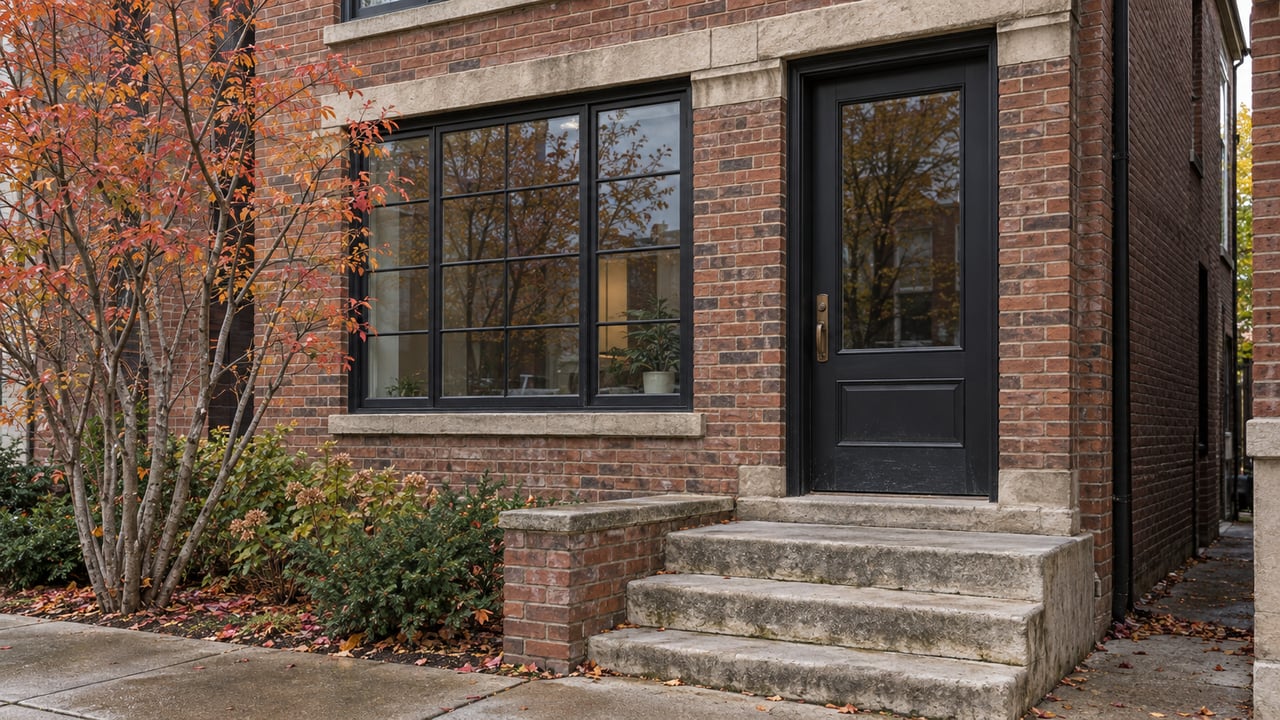
In a home search, many buyers here end up comparing quieter residential blocks just off the main corridor. Given Lake View’s overall housing profile, that often means looking at condos, apartments, and homes in smaller multi-unit or mid-size buildings near the retail core.
Who Southport Corridor may suit
If you are trying to match your lifestyle to the right pocket of Lake View, Southport Corridor may be a fit if you want:
- A walkable shopping and dining street
- A more residential day-to-day rhythm
- Brown Line access nearby
- Housing close to neighborhood retail without a heavy event atmosphere
Wrigleyville centers on entertainment and event energy
Wrigleyville has one of the clearest identities in all of Lake View. Choose Chicago describes it as the area around Wrigley Field, with sports bars, souvenir stalls, rooftop bleachers, and Gallagher Way events throughout the year.
That makes this micro-neighborhood very different from other parts of Lake View. Living near Wrigleyville often means being close to constant activity, especially during baseball season and other stadium events. For some buyers, that energy is a major draw. For others, it is something to think through carefully before choosing a specific block.
Transit access here is strong. CTA says the Addison Red Line station is a half block east of Wrigley Field, Sheridan is a couple of blocks north, and the Purple Line Express stops there for weekday Cubs games. Bus routes #8, #22, and #152 also serve the area.
From a home search perspective, location within Wrigleyville matters a lot. Buyers closer to Clark and Addison should generally expect more foot traffic and more game-day congestion than they would find on quieter residential streets farther west or north.
Who Wrigleyville may suit
Wrigleyville may be worth a close look if you want:
- Immediate access to Wrigley Field and Gallagher Way
- A lively entertainment setting
- Strong transit service near the Red Line
- A home base close to nightlife and major events
East Lakeview offers lakefront access and varied architecture
On the east side, Lake View takes on a different character. Choose Chicago identifies East Lakeview as one of the area’s key subdistricts, and the neighborhood’s lakefront location gives it a distinct feel compared with the inland sections.
The Chicago Park District notes that the city’s lakefront includes 26 miles of shoreline and an 18.5-mile trail. In this part of Lake View, Belmont Harbor sits at 3600 N Recreation Drive, and AIDS Garden Chicago is just south of the harbor. For many buyers, this means easier access to outdoor recreation, waterfront views, and a more park-centered daily routine.
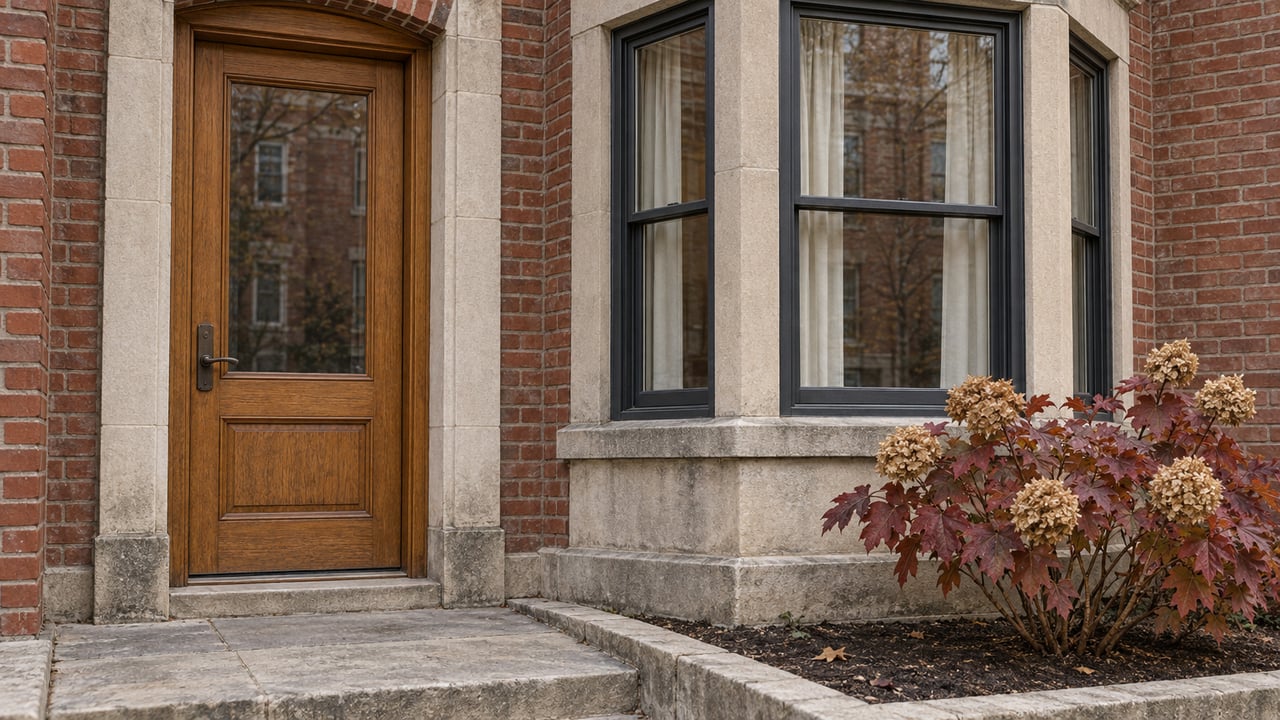
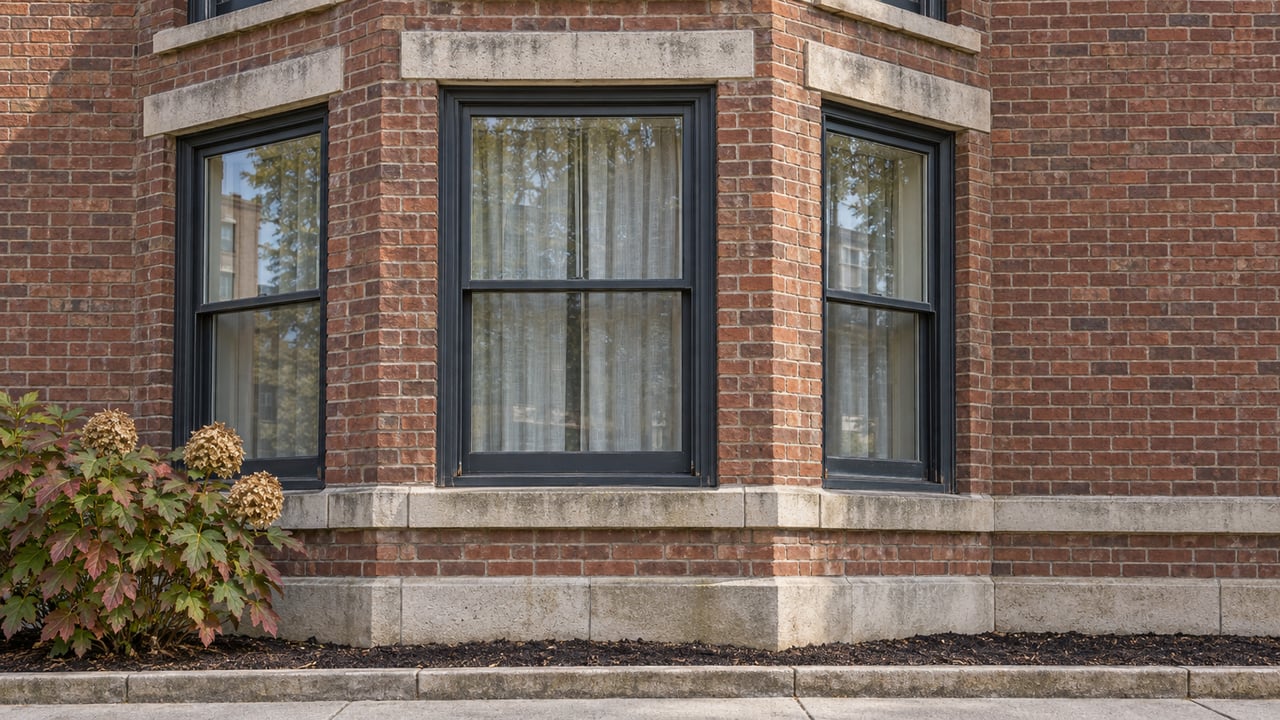
East Lakeview also stands out for its architecture and housing mix. Lakeview East’s history and landmarks materials show a built environment that includes Hawthorne Place, which was developed for large residences on large lots, Alta Vista Terrace with 40 single-family rowhouses on one short street, early high-rise apartment stock, and later towers along Lake Shore Drive. The same source says 43% of present Lakeview East residences were constructed during the 1889 real-estate boom.
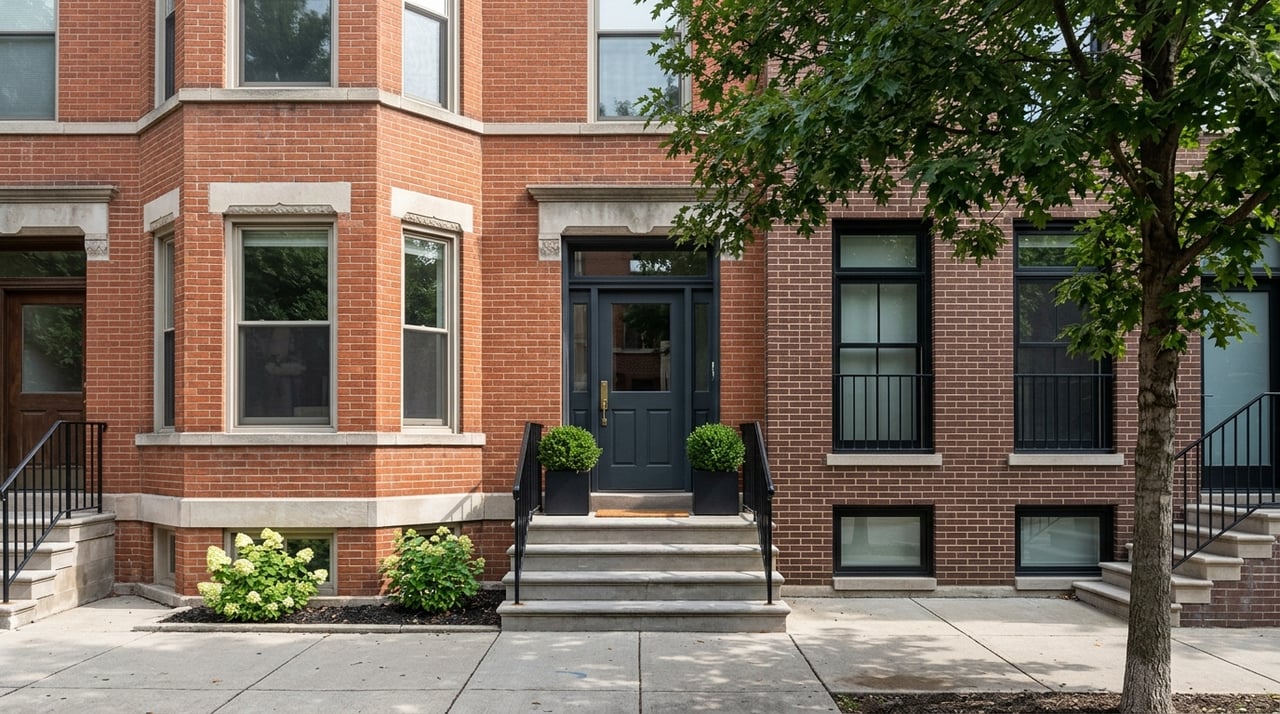
That range creates a very different search experience. In this pocket, you may be comparing historic rowhouses, vintage apartment buildings, and larger condo towers within a relatively small area. If views, proximity to the lake, and access to the trail are high on your list, East Lakeview often becomes a key focus.
Who East Lakeview may suit
East Lakeview may be the right fit if you prioritize:
- Lakefront and harbor access
- Trail access for walking, running, or biking
- A wider mix of vintage and larger condo buildings
- A location where the park and shoreline shape daily life
Central Lake View can be a transit-first choice
Some buyers are less focused on a named district and more focused on how easily they can move around the city. In that case, central Lake View, especially around Belmont, can deserve extra attention.
CTA lists Belmont as a free-transfer station for the Red, Brown, and Purple lines. That makes it one of the strongest multi-line transit nodes in the neighborhood. If your top priority is simplifying a commute or having more than one train option nearby, this can be a practical advantage.
This is also a good reminder that in Lake View, a micro-location can matter more than the neighborhood label on a listing. Two homes with the same ZIP code and broad neighborhood name may offer very different commuting patterns, noise levels, and daily convenience.
How to choose the right Lake View pocket
If you are comparing Lake View micro-neighborhoods, it helps to think beyond the listing photos. A smart search usually starts with your routine, your transportation habits, and the kind of street activity you want around you.
Here is a simple way to frame it:
- Southport Corridor if you want walkable shops, restaurants, and a steadier neighborhood rhythm
- Wrigleyville if you want sports, events, nightlife, and high energy close to home
- East Lakeview if you want lake access, trail proximity, and a stronger concentration of larger condo buildings
- Central Lake View near Belmont if you want flexible access to multiple CTA rail lines
Lake View’s broader housing profile supports this kind of focused search. With a high share of multi-unit housing, a renter-heavy population, and a large number of homes built before 1940, the neighborhood offers variety, but that variety is not spread evenly. Your best match often comes down to the exact section and block.
Why local guidance helps in Lake View
Because Lake View functions as several micro-markets inside one larger neighborhood, it helps to work with someone who understands those on-the-ground differences. The right advice is not just about price point or bedroom count. It is also about how a specific pocket lives on a Tuesday morning, a summer weekend, or during a commute.
Whether you are buying your first condo, looking for a move-up home, or preparing to sell in one of Lake View’s distinct pockets, a hyper-local strategy can help you make better decisions. In a neighborhood where transit, housing type, and street activity vary so much, local context matters.
If you are thinking about buying or selling in Lake View, Juliana & Ben Yeager can help you zero in on the micro-neighborhood that best fits your goals.
FAQs
What makes Lake View different from a single neighborhood market?
- Lake View includes several distinct micro-neighborhoods with different housing types, transit access, and daily activity levels, so one part of the neighborhood can feel very different from another.
What is Southport Corridor like in Lake View?
- Southport Corridor is known for walkable shopping, restaurants, salons, and a more everyday neighborhood feel, with Brown Line access nearby.
What should buyers know about living in Wrigleyville?
- Wrigleyville offers strong access to Wrigley Field, transit, nightlife, and year-round events, but homes closer to the ballpark may also experience more foot traffic and congestion.
Why do buyers consider East Lakeview in Lake View?
- East Lakeview appeals to buyers who want lakefront access, trail proximity, varied architecture, and a stronger presence of larger condo buildings and high-rises.
Why is Belmont important for a Lake View home search?
- Belmont is a free-transfer CTA station for the Red, Brown, and Purple lines, so buyers who prioritize commuting flexibility often focus on this part of central Lake View.