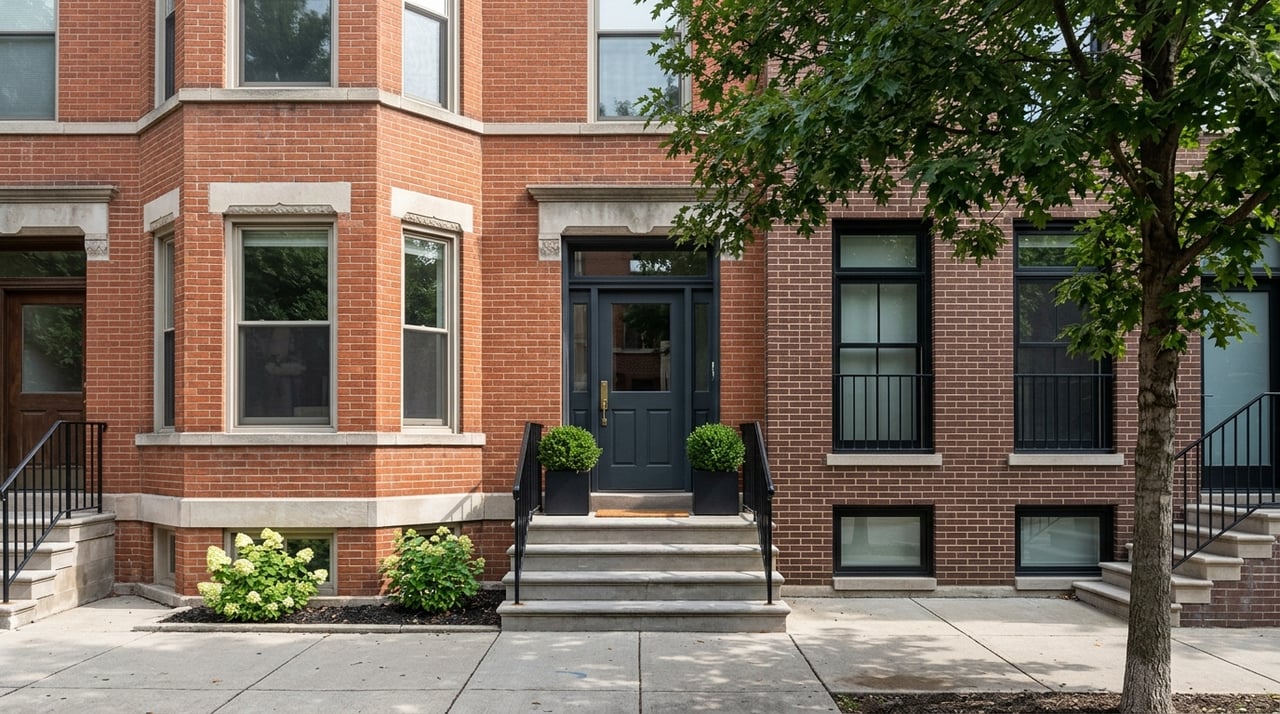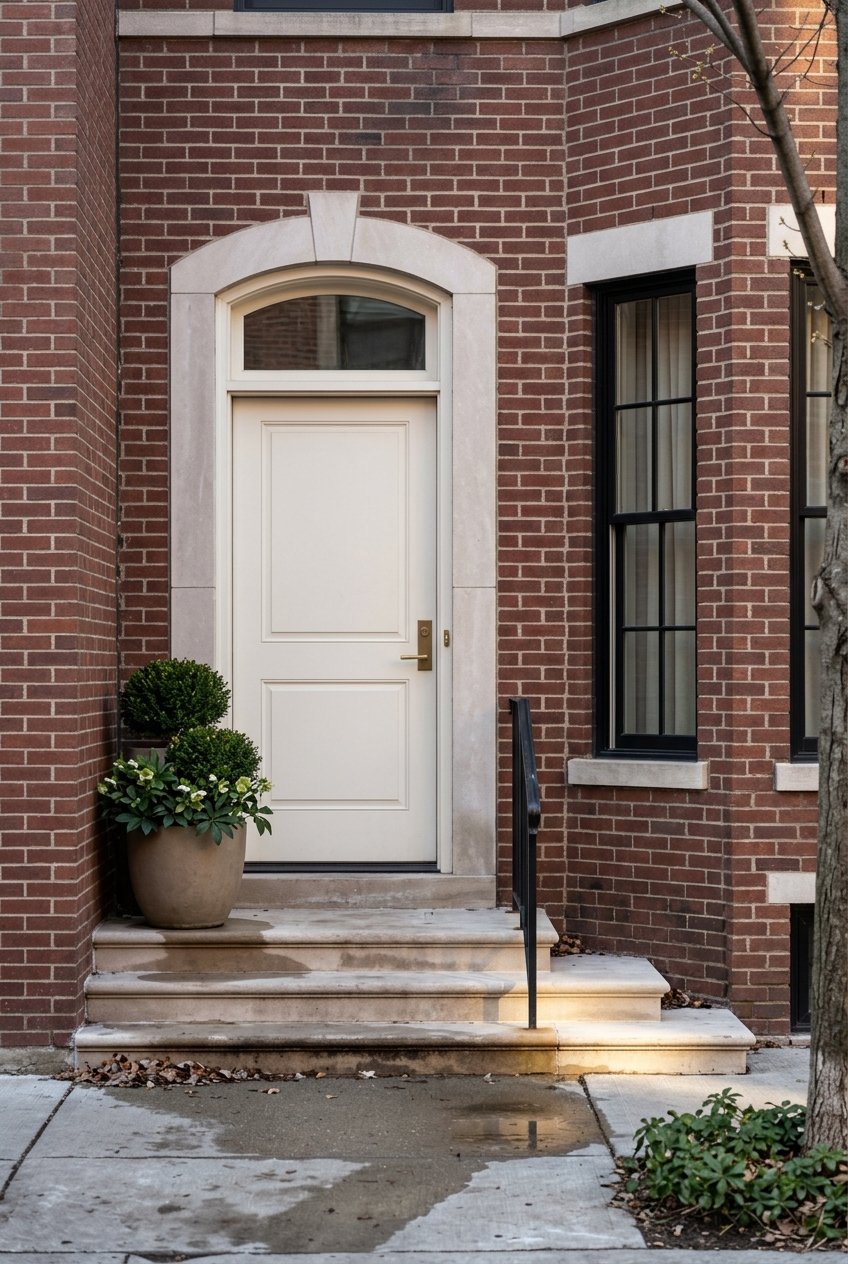
Wondering when to list your Lincoln Square home? Timing can shape how many buyers see your home, how much competition you face, and how much pricing power you may have. If you are thinking about selling in Lincoln Square, understanding the neighborhood’s seasonal rhythm can help you plan with more confidence and fewer surprises. Let’s dive in.
Lincoln Square is a seller-leaning market
Lincoln Square is currently leaning in sellers’ favor. In June 2026, Realtor.com reported 84 active listings, a median listing price of $557,500, a median sold price of $595,150, a median 26 days on market, and a 104% sale-to-list ratio.
That snapshot matters because it shows buyers are still active and willing to compete for the right home. Even so, seasonality still affects how quickly homes move, how many buyers are shopping, and how carefully you need to position your listing.
Why seasonality matters when selling
Seasonality is simply the yearly pattern of buyer and seller activity. In a neighborhood like Lincoln Square, which sits within the broader Chicago market, citywide seasonal trends offer a useful guide for what sellers can expect.
In the City of Chicago, 2025 closed sales rose from 1,293 in January to 2,396 in June. After that, activity eased to 1,354 in November and 1,615 in December. Median sales price followed a similar pattern, reaching $400,000 in June compared with $360,000 in November and $350,000 in December.
Inventory also changed with the seasons. City inventory climbed to 4,716 in May before dropping to 2,969 in December. For you as a seller, that means your timing affects both buyer demand and the number of competing listings on the market.
Spring is often the strongest selling season
Spring is usually the busiest and most competitive time for residential real estate. Illinois REALTORS® projected that in the City of Chicago, single-family home sales would increase 36.7% between March and June, while condo and townhome sales would rise 41.3% over the same period.
That kind of seasonal lift often creates the broadest buyer pool. More buyers in the market can mean more showings, stronger urgency, and a better chance of multiple offers when your home is priced and presented well.
Chicago’s 2025 market data supports that pattern. Closed sales climbed throughout spring and peaked at 2,396 in June, which was the highest monthly total shown for the year. Median sales price also peaked in June at $400,000.
What spring means for Lincoln Square sellers
If your goal is maximum exposure, spring is often the most practical launch window. A late-winter prep schedule with a March or April listing can put your home in front of buyers before the market reaches its June high point.
That said, spring does not automatically guarantee the best outcome. It also brings more listings, which means buyers often have more options and higher expectations around pricing, staging, photography, and overall presentation.
For Lincoln Square sellers, this is where execution matters. In a busy season, a polished launch can help your home stand out instead of blending into a crowded market.
Early summer can still be very strong
If you miss the early spring window, early summer can still be a strong time to sell. June has historically been a high-activity month in Chicago, both for sales volume and median price.
For some sellers, this timing works especially well because the market remains active while buyers are still engaged. In Lincoln Square’s current seller-leaning environment, a well-prepared listing entering the market in late spring or early summer may still benefit from meaningful demand.
The key is not to assume the season alone will do the work. Pricing, listing quality, and launch strategy still drive results.
Late summer and fall bring a different dynamic
Late summer and fall are not bad times to sell, but they usually feel different from spring. Buyer activity tends to soften, and the audience may be smaller and more price-sensitive.
Citywide data reflects that shift. Chicago closed sales moved from 2,201 in July to 1,960 in August, 1,811 in September, 1,821 in October, and 1,354 in November. Median sales price also eased from $375,000 in July and August to $360,000 in November.
For you, that can create both challenges and opportunities. There may be fewer buyers shopping, but there may also be less competing inventory than during the spring rush.
When fall selling makes sense
Fall can work well if your timing is driven by life events rather than market perfection. If you are relocating, downsizing, moving up, or coordinating a sale from out of state, it may make more sense to list when you are ready rather than waiting for the ideal calendar window.
In these months, pricing discipline becomes especially important. When the buyer pool is smaller, homes that are overpriced or underprepared can sit longer, while homes that are well presented and realistically priced can still attract serious interest.
This is where white-glove preparation can make a real difference. Thoughtful staging, vendor coordination, and a clean launch plan can help offset some of the slower seasonal momentum.
Winter is slower, but not impossible
December through February is typically the slowest part of the year. Fewer buyers are actively touring homes, and holidays plus winter weather can reduce showing activity.
Chicago’s 2025 numbers reflect that seasonal slowdown. December closed sales were 1,615, and inventory dropped to 2,969, well below the spring and early-summer levels. Nationally, winter also tends to bring longer marketing timelines.
Still, slower does not mean impossible. In a seller-leaning market like Lincoln Square, a well-priced and well-presented winter listing can still find the right buyer, especially when supply is thin.
What to expect if you list in winter
If you list in winter, it helps to set expectations early. You may see fewer showings and need a bit more patience, even if your home is appealing and move-in ready.
At the same time, winter buyers are often motivated by a real need to move. That can be helpful if your listing is positioned clearly and your home shows well from the start.
For sellers with a strong reason to move now, winter can still be a workable path. The important thing is to rely on preparation and strategy, not just the calendar.
Condos and townhomes may feel seasonality more
If you are selling a condo or townhome in Lincoln Square, the seasonal swing may be even more noticeable. Chicago condo and townhome data showed sales rising from 1,510 in May 2025 to 1,575 in June, then dropping to 1,379 in July and 1,225 in August.
Prices followed a similar pattern. Median condo and townhome prices moved from $412,250 in May to $415,000 in June, then softened to $395,000 in July and $388,000 in August.
That does not mean you have to list only in spring or early summer. It does mean timing and launch quality can be especially important if you want to capture the strongest seasonal demand.
How to choose the right time to sell
The best listing window depends on your goals. If you want the widest buyer pool and the strongest price discovery, aiming for a March or April launch is often a smart strategy.
If you need flexibility, late summer and fall can still work with the right pricing and presentation. If you need to sell in winter, a strong seller-leaning backdrop in Lincoln Square can still support a successful outcome.
A simple way to think about it is this:
- Spring: Highest activity, broad buyer pool, more competition
- Early summer: Still strong demand, often good momentum
- Late summer and fall: Smaller audience, less intensity, more need for pricing discipline
- Winter: Fewer buyers and showings, but less inventory and potentially motivated shoppers
Selling well is about timing and execution
Seasonality matters, but it is only one part of the picture. Your price, presentation, marketing, and launch strategy all influence how your home performs.
In Lincoln Square, the current market still gives sellers reason for optimism. With sold prices above listing prices on median and homes moving in a median of 26 days, the neighborhood remains competitive. But even in a strong market, the best outcomes usually come from pairing the right timing with careful preparation.
If you are thinking about selling, it helps to start planning before you want to list. That gives you time to handle repairs, staging, photography, and pricing strategy in a way that matches the season you are targeting.
Whether you are aiming for a spring debut or need a more flexible timeline, working with a team that understands Lincoln Square, Chicago seasonality, and concierge-level listing execution can make the process feel much more manageable. If you are planning your next move, Juliana & Ben Yeager can help you time and position your sale with confidence.
FAQs
How does seasonality affect home sales in Lincoln Square?
- Seasonality affects buyer demand, competition, inventory, and pricing conditions. In Lincoln Square, spring and early summer usually bring the most activity, while fall and winter tend to be slower.
When is the best time to sell a home in Lincoln Square?
- For many sellers, March or April is a strong time to list because it can capture spring demand before the June peak in Chicago-area activity.
Can you still sell a home in Lincoln Square during winter?
- Yes. Winter is usually slower, but Lincoln Square’s current seller-leaning conditions suggest that a well-priced, well-presented home can still have a realistic path to sale.
Is spring always the best time to list a Lincoln Square condo?
- Spring and early summer are often strong for condos and townhomes, and Chicago data shows a notable seasonal lift during that period. Still, the best timing depends on your property, goals, and level of preparation.
What matters most if you sell outside the spring market in Lincoln Square?
- If you list later in the year, pricing discipline, staging, photography, and overall launch quality become even more important because seasonality alone is less likely to drive demand.