Thinking about moving to Lake View? You are not alone. For many new Chicago residents, Lake View stands out because it offers lakefront access, strong transit options, and a mix of sub-areas that can feel very different from one another. This guide will help you understand how Lake View is laid out, what daily life can look like, and how to narrow in on the part of the neighborhood that fits you best. Let’s dive in.
What Lake View Means
Lake View is Chicago Community Area 6, located about four miles north of the Loop. While the official community area is one place on the map, everyday conversations usually treat Lakeview as a collection of smaller districts rather than one single, uniform neighborhood.
That distinction matters when you are moving here. In practice, people often mean East Lakeview, Central Lakeview, Northalsted, Wrigleyville, or the Southport Corridor when they say “Lakeview.” If you are apartment hunting, buying a home, or just trying to picture your future routine, the specific pocket often tells you more than the neighborhood name alone.
Lake View Subareas to Know
East Lakeview
East Lakeview is one of the neighborhood’s main retail and dining zones. The Lakeview East business district includes parts of Broadway, Belmont, Clark, and Sheffield, so this area tends to put everyday errands, storefront shopping, and casual dining close together.
If you want a setting where you can get out on foot and have many daily conveniences nearby, East Lakeview is often a good place to start your search. It also puts you closer to the lakefront, which is a major draw for many new residents.
Northalsted
Northalsted is known as Chicago’s landmark LGBTQ+ neighborhood and one of the city’s major event districts. It hosts large public events including Pride Fest, the Pride Parade, Northalsted Market Days, and the Haunted Halsted Halloween Parade.
For you as a newcomer, that means this part of Lake View can feel especially lively and social. If you enjoy an active calendar and a strong sense of street-level energy, Northalsted may stand out.
Wrigleyville
Wrigleyville centers around Wrigley Field at Clark and Addison. The area is closely tied to Cubs games and other large events, so the neighborhood feel here often shifts with the event schedule.
That can be a plus if you want a high-energy environment with a lot happening nearby. It also means you should think carefully about how you feel about game day crowds, event traffic, and seasonal activity before choosing a home in the immediate area.
Southport Corridor
The Southport Corridor stretches from Addison to Irving Park between Clark and Ashland, according to the Southport Neighbors Association. It is often described as a place for boutique shopping, record stores, vintage browsing, and restaurant patios.
Compared with some of the busier parts of Lake View, Southport often feels more local-retail oriented and more residential in character. If you want neighborhood shops and restaurants without the same event-driven pace as Wrigleyville, this area may appeal to you.
Getting Around Lake View
One of Lake View’s biggest advantages is transit. The CTA Brown Line serves the neighborhood at stations including Addison, Paulina, Southport, Belmont, Wellington, and Diversey, while the Red Line provides 24-hour service with stations including Addison and Sheridan nearby.
For many residents, that makes car-light living realistic. If you commute downtown, want easier access to other North Side neighborhoods, or simply prefer not to drive for every errand, Lake View gives you multiple ways to get around.
Bus routes also play a big role in daily life. Routes like #22 Clark, #36 Broadway, #76 Diversey, #77 Belmont, and #151 Sheridan help connect the neighborhood’s rail stops, shopping streets, and lakefront edge.
Walking and biking are also part of the neighborhood’s appeal. The Lakefront Trail runs along the lake and includes dedicated bike and pedestrian paths, giving you a direct route for recreation and commuting.
Parks and Lakefront Access
For many people, the lakefront is the headline feature of Lake View. Belmont Harbor sits within Lincoln Park at 3600 North Recreation Drive, and the nearby lakefront trail system connects residents to beaches, harbors, and long walking or running routes.
If spending time outdoors matters to you, this access can shape your day-to-day lifestyle in a big way. Morning walks, bike rides, and time by the water are all easier when you live on the neighborhood’s east side.
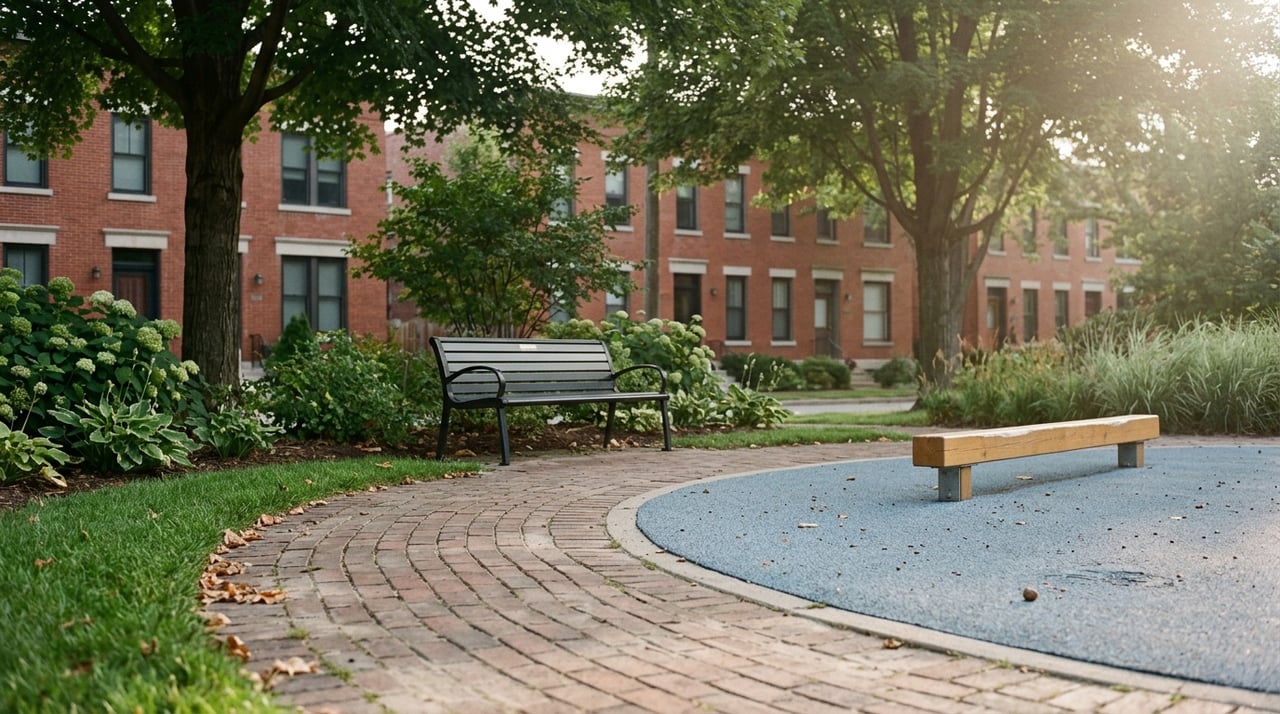
Lake View also has smaller neighborhood green spaces spread throughout the area. South Lakeview Park, Wendt Park, and Evergreen Park are examples identified by the Chicago Park District.
These smaller parks add flexibility to daily life. They give residents places for playground time, dog walks, or a quick break outside without needing to head all the way to the lake.
Gallagher Way is another unique outdoor space in Lake View. Located next to Wrigley Field on Clark Street, it functions as a gathering place before, during, and after Cubs games, which adds to the area’s event-driven feel.
What Housing Looks Like in Lake View
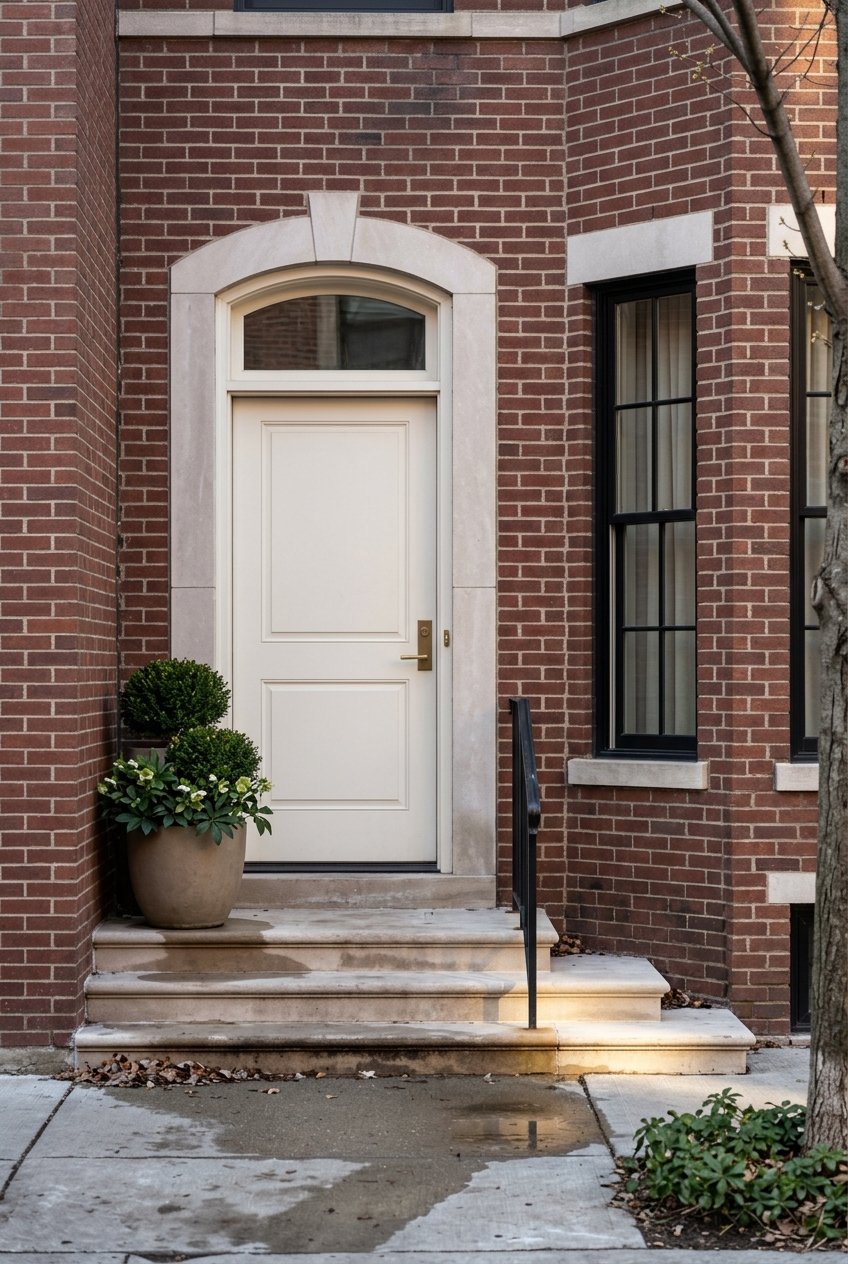
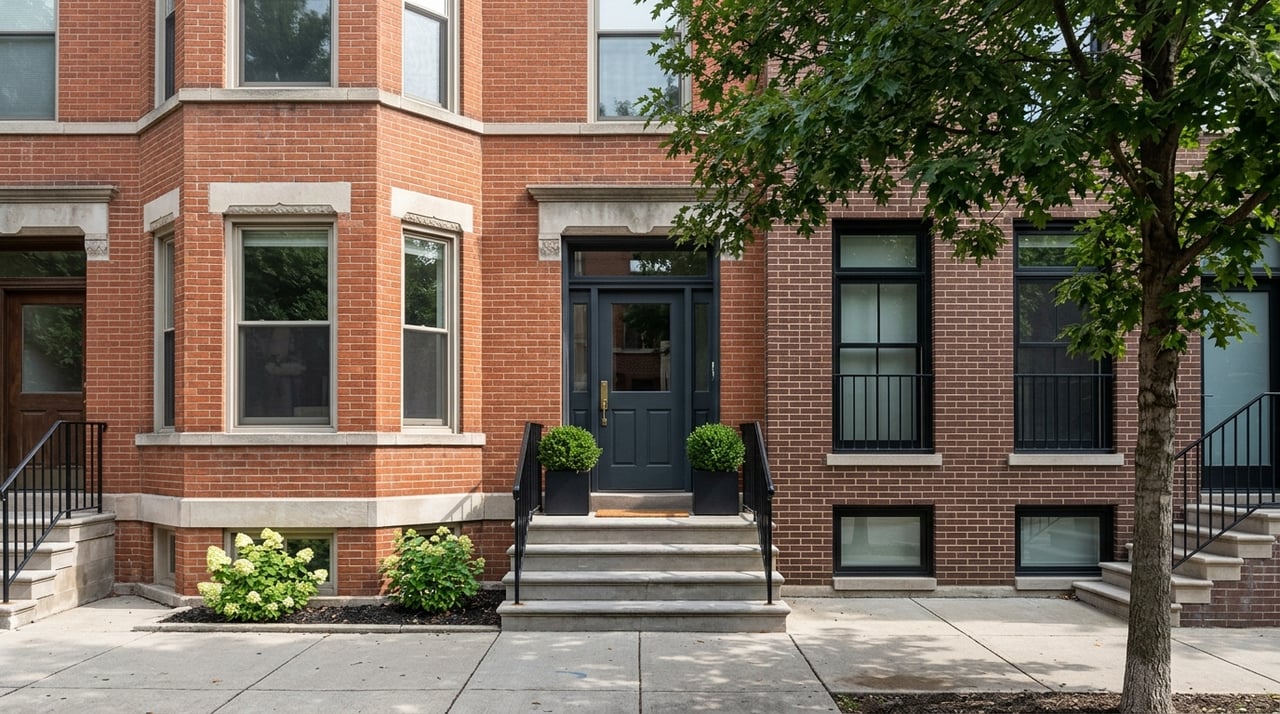
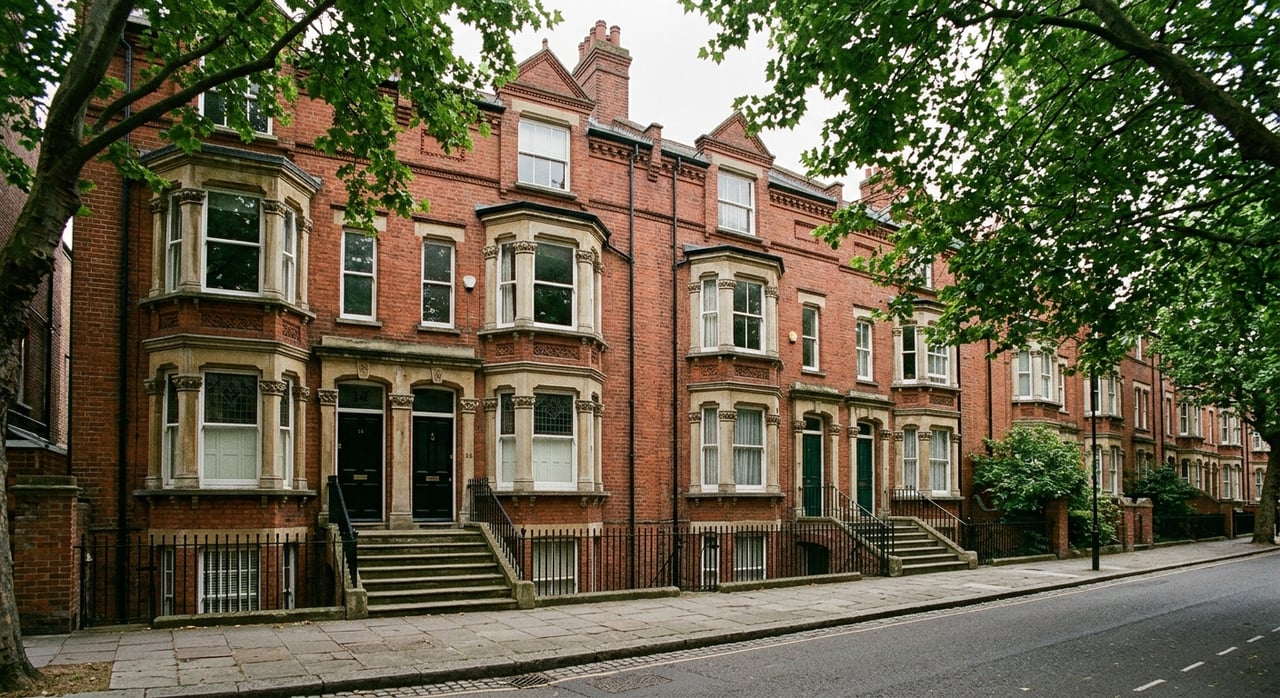
Lake View has a notably mixed housing stock. Within the broader neighborhood, you can find single-family houses, apartment buildings, brick-and-stone three-flats, townhouse blocks, vintage walk-ups, courtyard buildings, high-rise apartments, and four-plus-one buildings.
That range is one of the neighborhood’s biggest strengths. It means Lake View is not limited to one housing type or one lifestyle, and your options can change noticeably from one block to the next.
For buyers and renters, this creates flexibility. You may find condo-heavy streets near major commercial corridors, then see more residential-feeling blocks with different housing forms just a short distance away.
Choosing the Right Part of Lake View
If you are new to Chicago, the biggest mistake is treating all of Lake View as the same. The better approach is to match your routine and preferences to the sub-area that supports them.
A simple rule of thumb is that street life is generally most intense near Wrigley Field, Northalsted, Broadway, and the busiest CTA stops. In many cases, the feel becomes more residential farther west or south.
Here are a few practical questions to ask yourself:
- Do you want to be close to the lakefront and trail access?
- Do you want a busy, event-heavy environment or a quieter block?
- How important is being near a Brown Line or Red Line stop?
- Do you picture your routine centered on boutiques and patios, major events, or daily errands on foot?
- Are you looking for a condo, vintage walk-up, townhouse, or single-family home?
Those answers can help you narrow your focus much faster. In a neighborhood as varied as Lake View, the right micro-location often matters as much as the home itself.
Why Lake View Works for New Residents
Lake View often works well for new Chicago residents because it gives you several versions of city living in one neighborhood. You can find lakefront access, established retail corridors, strong transit, and a wide mix of housing choices without needing to leave the North Side.
It also offers a practical learning curve for relocators. You can settle into a part of the neighborhood that fits your current routine while still being well connected to the rest of Chicago.
That balance is what makes Lake View so appealing. The name gives you the general location, but the sub-area tells you what daily life may actually feel like.
If you are planning a move and want help sorting through Lake View’s different pockets, housing options, and commute patterns, Juliana & Ben Yeager can help you find the right fit for how you want to live.
FAQs
What is the difference between Lake View and Lakeview in Chicago?
- In everyday use, “Lakeview” usually refers to the broader neighborhood area, while official references identify Lake View as Chicago Community Area 6.
What are the main subareas within Lake View for new Chicago residents?
- The main subareas commonly referenced are East Lakeview, Central Lakeview, Northalsted, Wrigleyville, and the Southport Corridor.
Is Lake View a good neighborhood for getting around Chicago without a car?
- Yes. Lake View has Brown Line and Red Line access, several major bus routes, and strong walking and biking connections, including the Lakefront Trail.
What is daily life like near Wrigleyville in Lake View?
- Wrigleyville tends to feel more event-driven, especially around Cubs games and major events near Wrigley Field.
What kinds of homes can you find in Lake View, Chicago?
- Lake View includes a mix of condos, vintage walk-ups, courtyard buildings, apartment buildings, townhouses, single-family homes, and high-rise apartments.
Which part of Lake View is closest to the lakefront?
- East Lakeview is generally the part of the neighborhood most closely tied to lakefront access, including Belmont Harbor and the Lakefront Trail.