A standard home inspection in Chicago checks the furnace, the roof, the electrical panel, the visible plumbing. It does not check the pipe running from your foundation to the street, and it does not tell you what your water service line is made of. Those two systems sit underground, out of sight of a general inspector's flashlight, and in North Center they carry very different odds depending on which block you're buying on.
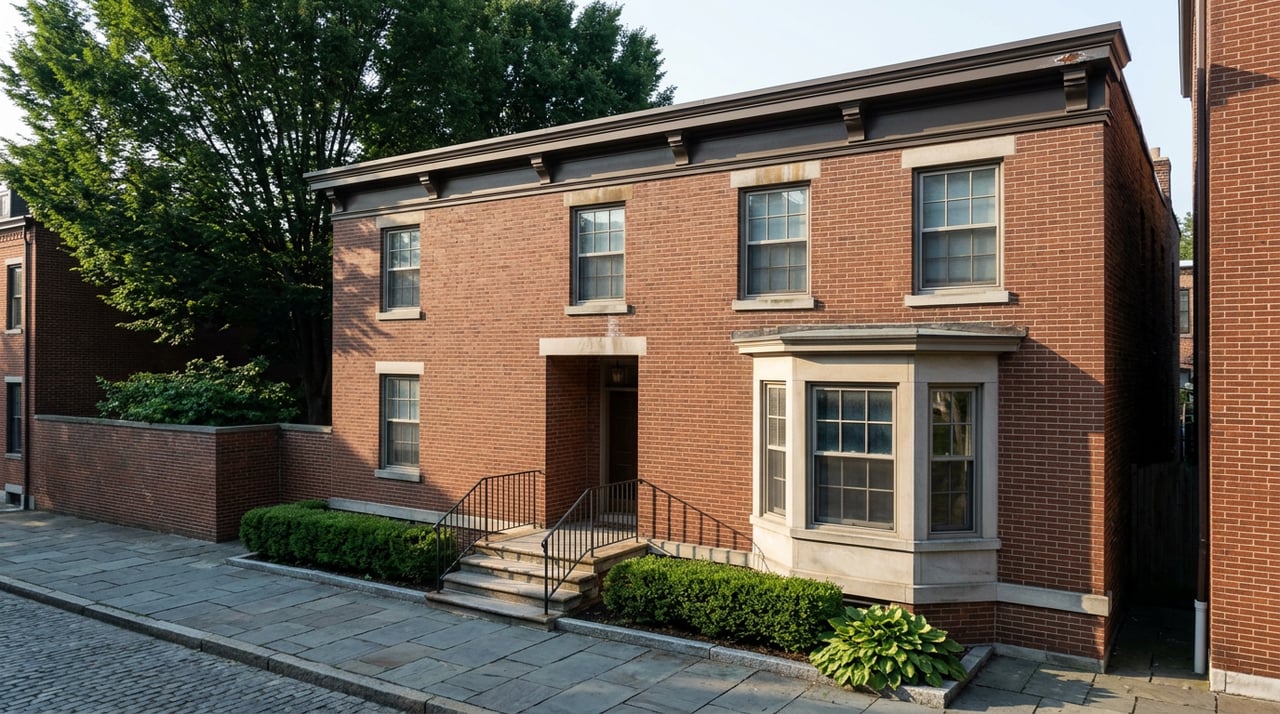
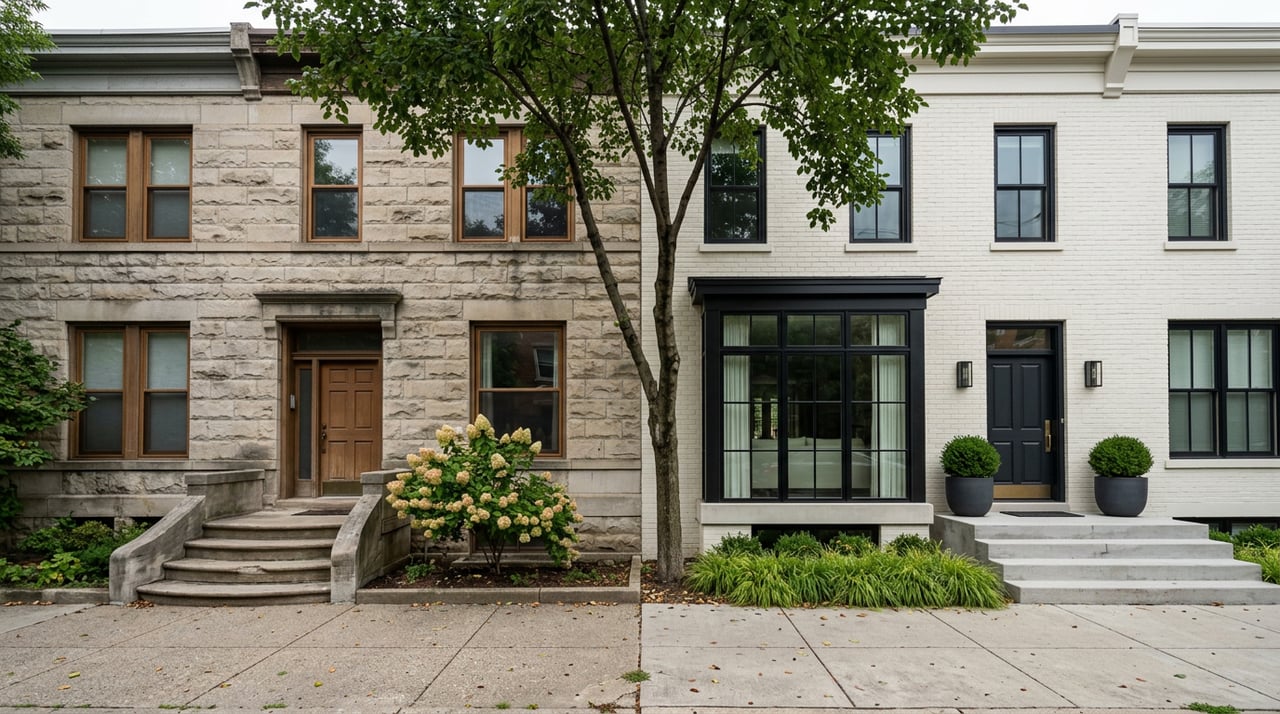
That split matters here specifically because North Center is not one housing stock. Walk the interior blocks around Damen, Lincoln, and the streets feeding into Welles Park and you're mostly looking at two-flats, bungalows, greystones, and workers cottages built in the early decades of the 1900s, when this area was settled largely by German families working the industrial corridor along Ravenswood Avenue and the industrial plants that once lined the Chicago River. Walk toward the North Branch of that river today and you'll find newer single-family construction and former industrial buildings converted into residential lofts. Same neighborhood, two very different builds, and that difference follows you straight into your inspection contingency.
What Your Inspector Isn't Looking At
A sewer lateral is the private pipe connecting your home to the city's main. No inspector can evaluate it without a camera, because it runs three to six feet underground and there is no way to eyeball a collapsed joint or a root mass from a basement. A sewer scope, run separately from your general inspection, typically adds $150 to $400 to your inspection bill. If the scope finds a problem, a full lateral replacement in Chicago generally runs $8,000 to $15,000, and homeowners dealing with deep pipe, hard surfaces, or difficult soil have reported bills that climb past $25,000.
The water service line raises a second, separate question: is it lead? Lead pipes were standard practice for residential water connections in Chicago until the material was banned nationally in 1986. If you're touring a house or two-flat built before that date, and most of North Center's interior stock predates it by six decades or more, there is a real chance the line feeding your kitchen sink right now is lead. Since January 2023, Illinois law has prohibited partial lead line replacements. If the line is being touched at all, the whole thing has to go, both the public side the city owns and the private side you own.
Neither of these findings shows up on a standard report unless you specifically order them.
Two Blocks, Two Inspection Profiles
| Pre-1940 two-flats, bungalows, greystones | New construction and loft conversions | |
|---|---|---|
| Likely sewer lateral material | Clay tile, sometimes cast iron | PVC, installed to current code |
| Likely water service line | Lead, unless previously replaced | Copper, installed post-1986 |
| What to book before your contingency closes | Sewer scope, lead service line check | Sewer scope generally unnecessary; ask HOA about lateral history for condo buildings |
| Who owns the risk | The buyer, directly | Often the association, for lofts and condos |
That last row matters more than it looks. If you're buying into one of the converted loft buildings along the river corridor, the sewer lateral is typically a common element the condo association owns, not something you scope individually. It's still worth asking whether the association has ever had it scoped or replaced, but the financial exposure sits differently than it does for a buyer closing on a century-old two-flat where the whole system, sewer to water line, is the new owner's responsibility from day one.
The Five-to-Ten-Day Problem
Illinois inspection contingencies typically run five to ten calendar days from contract execution. That is not a lot of time to schedule a general inspection, get the report back, decide you want a sewer scope and a lead check, schedule those, and get results before your window closes. Missing that deadline without a written extension from the seller's attorney generally waives your right to object to whatever the inspection turns up, which means you'd be proceeding to closing with no recourse for a problem you never had the chance to document.
The buyers who avoid this squeeze book the sewer scope and the lead check on the same day as the general inspection, not after they see the general report. If you're touring a 1920s two-flat near Welles Park with a five-day contingency clock already running, that is not a decision to make on day four.
What the City Will (and Won't) Do About It
Chicago's Homeowner-Initiated Program waives up to $3,100 in permit fees for residents who hire a licensed plumber to replace a lead service line on their own timeline, rather than waiting for the city's list. That program exists because the city's own replacement pace is slow. Chicago replaced roughly 7,000 lead lines in 2025 and is targeting 10,000 in 2026, against a backlog of more than 400,000 confirmed and suspected lead lines citywide. At that rate, the city's own submitted plan doesn't reach full completion until 2076, according to reporting on unspent federal loan funds by the Chicago Sun-Times. City officials have said they intend to accelerate spending in 2026, but a buyer closing on a pre-1986 two-flat this fall isn't in a position to wait on that acceleration to materialize.
If you're buying one of North Center's older two-flats and the water test comes back positive, the homeowner-initiated route puts the timeline in your hands instead of the city's.
What This Means If You're Under Contract
A few things worth doing before you're staring down day nine of a ten-day window:
- Ask your agent to schedule the sewer scope and lead service line check the same day as your general inspection, not after you've seen the report.
- Get an itemized quote if either test turns up a problem. A negotiation over "the sewer needs work" lands very differently than one built around a documented $9,500 lateral replacement estimate.
- If you're buying a converted loft or new construction along the river corridor, ask the condo association whether the shared lateral has ever been scoped, rather than assuming new construction means no risk at all.
- If you're buying a pre-1940 two-flat or bungalow on an interior block, treat the sewer scope and lead check as standard steps, not optional add-ons.
The findings, whatever they are, become leverage before closing. Discovered after closing, they're just a bill.
A Few Direct Questions
Does every home in North Center need a sewer scope? Not every home, but every pre-1940 single-family home or two-flat should get one. Condo and loft buyers should ask their association about the building's lateral history instead of ordering an individual scope.
What happens if I skip the lead line check and find out later? You'd be responsible for the full cost of replacement with no documentation to negotiate against, and under current Illinois law a partial fix isn't an option once the line is being touched.
Is this specific to North Center, or true everywhere in Chicago? The underlying risk, clay tile laterals and lead service lines in pre-1980s housing, applies citywide. What's specific to North Center is the split: a dominant stock of century-old two-flats and bungalows sitting a few blocks from newer construction along the river corridor, which means the right inspection checklist for your showing this weekend depends on which side of that split the house sits on.
If you're weighing a vintage two-flat against a newer build in North Center and want a clearer read on what each one means for your inspection timeline, Juliana & Ben Yeager can walk you through both sides of this neighborhood's housing stock before you're under contract. Find My Home.