Thinking about a move on Chicago’s North Side and trying to pick between a condo and a townhome in Ravenswood? You are not alone. Both options offer strong value, walkable streets, and easy transit, but they deliver very different day-to-day living experiences and monthly costs. In this guide, you will see how each option stacks up on space, price, lifestyle, and carrying costs so you can match your choice to your goals. Let’s dive in.
Ravenswood at a glance
Ravenswood sits among Chicago’s leafy North Side neighborhoods, with a mix of vintage buildings, small mid-rises, and newer infill projects. Depending on the source, boundaries may include areas often discussed with Lincoln Square, Uptown, Ravenswood Gardens, or Ravenswood Manor. That overlap is one reason different websites show slightly different market numbers.
Commuting is a major draw. CTA Brown Line stations at Damen and Montrose serve the corridor, which keeps smaller condos and walk-up units popular with commuters. The rebuilt Ravenswood Metra station on the Union Pacific North line offers frequent service to downtown and the North Shore, a plus if you want quick train access. You can learn more about the Damen station on the Brown Line and the Ravenswood Metra stop if rail convenience is on your must-have list.
Condos vs. townhomes: what to expect
Ravenswood condos: layouts, amenities, and fees
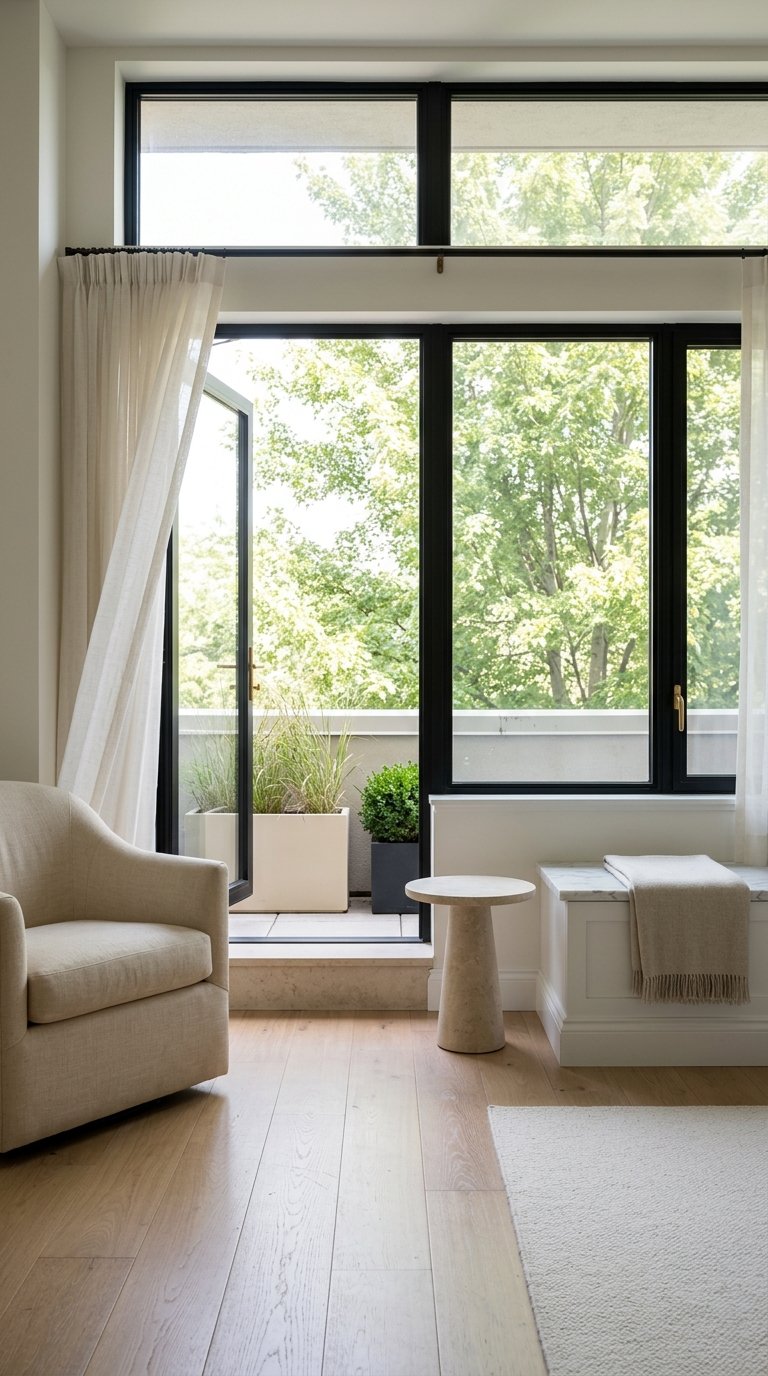
In Ravenswood, most condos are single-level units in vintage courtyard walk-ups or small elevator buildings, along with a mix of mid-century and modern conversions. Typical options include studios, 1-bed, and 2-bed plans, usually around 600 to 1,200 square feet. You will also find some larger loft-style or penthouse layouts in select buildings.
Common amenities include secured entry, shared roof decks, bike storage, and, in some mid-rise buildings, an elevator and fitness room. Many buildings advertise HOA fees that cover items like water and exterior maintenance. Monthly HOA dues often land in the low-hundreds to several-hundreds per month, and they play a big role in your total monthly cost.
On pricing, publicly available portals show that 1–2 bedroom condos can start in the low $200Ks for compact units, with larger 2-bedroom or renovated loft units reaching the mid-$300Ks up to $600K+ depending on location and finish level. Always remember that HOA fees can shift your monthly payment meaningfully even if the purchase price looks attractive.
Ravenswood townhomes: space, garages, and ownership
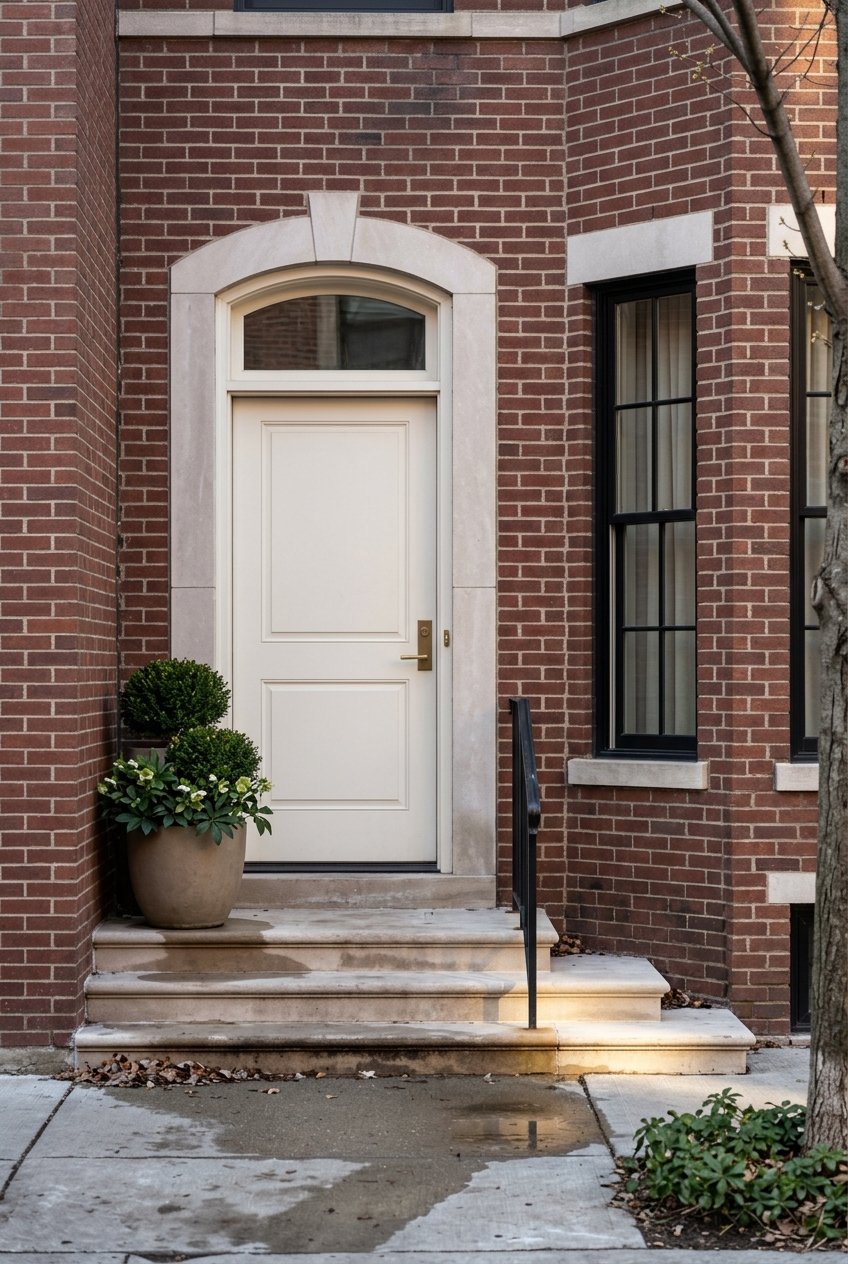
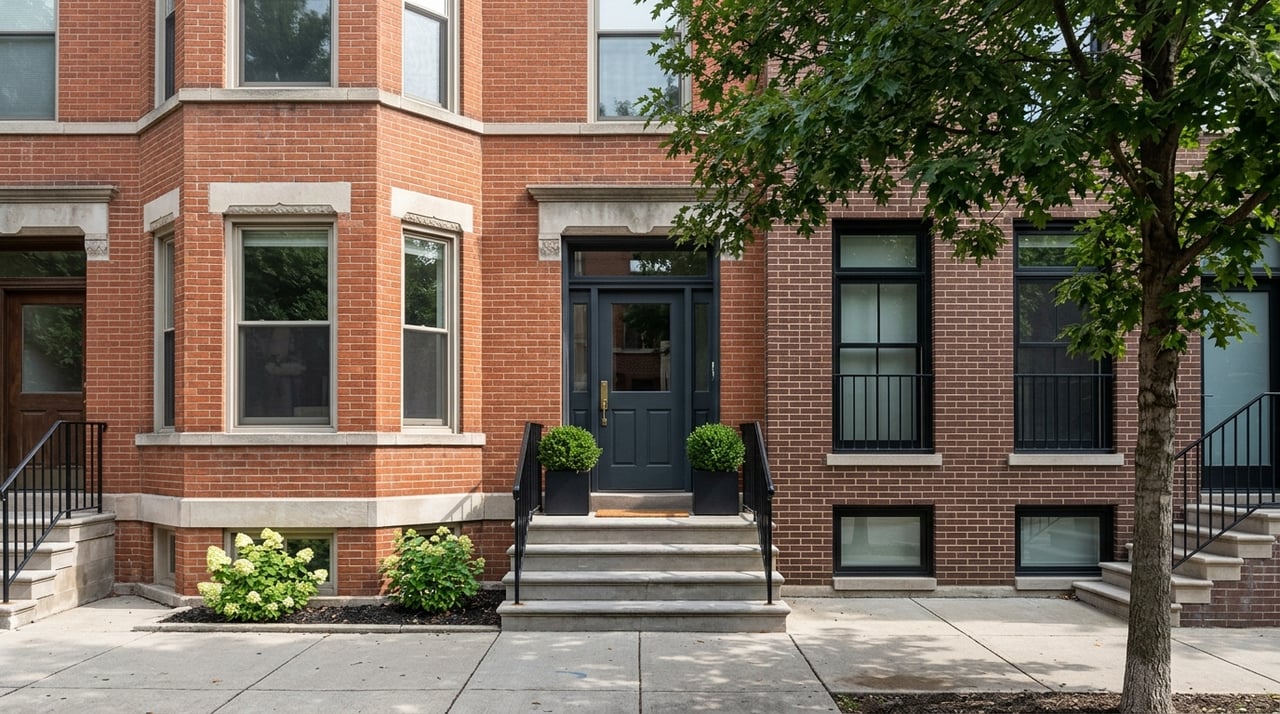
Townhomes in Ravenswood are multi-level homes, often with 2 to 3 bedrooms and a private entry, frequently paired with attached garages or assigned parking. Floor plans commonly range from about 1,200 to 1,800+ square feet, with some newer or larger townhomes approaching 2,500 to 3,000 square feet at higher price points. Private patios or small yards appear in many developments.
Ownership can be fee-simple or part of a condo association, which affects who covers exterior maintenance and what your insurance must cover. Some townhome communities have lower HOA dues than high-amenity condo buildings because they manage fewer shared services. That said, your own line items, like exterior insurance or yard care, can offset a lower HOA.
On price, public listing aggregates for the last year have shown a higher median for townhomes than condos in Ravenswood, reflecting the extra square footage and typical garage parking. That is a common pattern across neighborhoods with similar housing stock.
Market snapshot: prices and pace
When you compare condos and townhomes, it helps to anchor your expectations with current neighborhood snapshots. As of January 2026, Redfin reported for Ravenswood a median sale price of $487,000, a median price per square foot of $361, and a median of 46 days on market. In the same timeframe, Zillow’s ZHVI index, which tracks home values using a different method, showed a neighborhood value of $459,822 through December 31, 2025, with a 1-year change of +4.9%. Homes.com’s 12-month aggregate has recently shown a median townhome sale price around $619,000 and average price per square foot in the low $400s.
Why the variation? Each provider uses different boundaries and data methods. Some include parts of adjacent subareas, some measure monthly closed-sale medians, and some publish a smoothed index. That is normal. The key is to note the provider and date when you quote a number and to treat these figures as directional context rather than exact MLS counts.
Which fits your lifestyle?
For young professionals
A smaller condo near the Brown Line can keep your commute short and your maintenance light. Many buildings include bike storage, and select mid-rises offer elevators and roof decks. If you value walkability to neighborhood restaurants and shops, a condo offers strong value at a lower entry price point.
For couples or small families
A larger 2-bed condo or a 2–3 bed townhome provides flexible rooms and storage. Townhomes often deliver a private garage and multi-level separation between living and sleeping areas. If you want a blend of space, privacy, and an urban feel, a townhome can be the right middle ground.
For growing households and outdoor space needs
Townhomes and nearby single-family options in areas like Ravenswood Manor and Ravenswood Gardens tend to offer more square footage and easier access to private outdoor space. Expect higher price brackets due to size and lot benefits. The payoff is room to grow without leaving the neighborhood vibe you love.
For downsizers and empty nesters
Condos with elevator access and lower-maintenance living can make day-to-day life simple. Focus on buildings with strong reserves, stable budgets, and features that support easy living now and later. You may also appreciate being a short walk from transit and local amenities.
For investors
Condos and small multi-unit buildings are often rented in this area. Review any HOA rental caps or restrictions and ask about investor concentration, which can affect financing and long-term values. Fee-simple townhomes can function like single-family rentals, but confirm HOA rules on leasing if present.
Cost comparison: how monthly bills stack up
Use this quick checklist to compare apples to apples before you write an offer.
- Mortgage principal and interest: Similar across property types at the same price and rate. Your down payment strategy matters more here.
- Property taxes: Check the current bill for the specific unit or townhome. Townhome square footage and land share can influence tax load.
- HOA dues: Condos often carry higher monthly dues because the association covers more services. Many townhome communities have lower dues, but confirm what is included.
- Insurance: Condo owners usually carry an HO-6 policy for interiors, while the association’s master policy covers the exterior. Fee-simple townhome owners typically need full homeowner’s insurance, which can cost more. This is a must-compare line item.
- Maintenance and reserves: Condo dues may fund roof, facade, and shared system projects. Townhome owners may need to budget personally for exterior upkeep. In both cases, factor in a monthly reserve for surprises.
- Parking: Deeded garage parking in a townhome can simplify life and improve resale. In condos, parking may be included, deeded, or rented. Parking details can shift your monthly total.
Due diligence: what to check before you buy
If you are leaning condo
- HOA health and budget: Review reserves, recent special assessments, and any delinquency rates. Strong budgets reduce surprise costs.
- Owner-occupancy and rental rules: High investor concentration or strict rental caps can affect financing and resale.
- FHA/VA compatibility: Not all projects qualify. HUD’s 2019 condo rule reintroduced single-unit approvals, which can expand your options if a building is not already approved. Ask your lender early about the specific address and review HUD’s guidance on FHA condominium approvals.
- What the fee covers: Clarify if dues include water, heat, parking, building insurance, and exterior maintenance. Compare that to what you would pay out-of-pocket in a townhome.
If you are leaning townhome
- Ownership type: Confirm whether the townhome is fee-simple or part of a condo association. This drives who maintains the exterior and what insurance you need.
- HOA scope and rules: Some communities cover only shared drives, snow removal, or landscaping. Read the CC&Rs and budget so you know the true monthly cost.
- Parking details: Verify whether a garage or space is deeded or assigned and what that means for guests and resale.
How we help you compare, side by side
Choosing between a Ravenswood condo and a townhome comes down to how you live and what you value in space, parking, and maintenance. You deserve clear numbers and calm, expert guidance. Our team pairs hyper-local insight with a concierge process, so you get practical advice about building types, due diligence support on HOA documents, and a clean, low-stress path from search to close.
- Local, family-centered perspective: We live this side of Chicago and know how floor plans, transit, parks, and local amenities shape daily routines.
- Clear, data-backed pricing: We translate public snapshots into actionable comps and help you model true monthly costs.
- White-glove execution: From vendor coordination and staging guidance to long-distance logistics, our process removes friction so you can focus on the right home.
If you are weighing condos vs townhomes in Ravenswood, we are here to help you see the full picture and move with confidence. Reach out to Juliana & Ben Yeager to start your search.
FAQs
What is the current price outlook for Ravenswood buyers?
- Public snapshots show overall medians around the mid-$400Ks to $500Ks range depending on the source and date, with townhomes trending higher than typical condos due to size and parking. Always note the provider and timeframe when you compare.
Are Ravenswood condos or townhomes faster to sell right now?
- As of January 2026, one major portal reported a median of 46 days on market for Ravenswood across property types. Speed varies by price point, finish level, and location.
How do HOA fees for Ravenswood condos compare to townhomes?
- Condo HOAs often run from the low-hundreds to several-hundreds per month because they cover more shared services. Some townhome communities charge lower dues, but you may pay more out-of-pocket for insurance and exterior upkeep.
Can I use an FHA loan to buy a Ravenswood condo?
- Possibly. The condo must be FHA-approved or qualify for single-unit approval. Ask your lender early and review HUD’s 2019 guidance on condo approvals.
How much space should I expect in a condo vs a townhome?
- Many 1–2 bedroom condos range from roughly 600 to 1,200 square feet, while townhomes often deliver 1,200 to 1,800+ square feet and a garage. Larger options exist in both categories.